
Suggested tools for you
Quick Trust Line
- Tools reviewed
- 11
- Last checked
- August 13, 2026
- Reviewed by
- top100.ai software rankings editor
- What we checked
- These rankings combine feature depth, audience fit, and market signals, but readers should always verify live pricing and security workflows with the vendor.
Security questionnaire automation is a narrow category, but this 2026 leaderboard needs an important caveat: several of the surfaced products are adjacent AI tools rather than dedicated platforms for SIG, CAIQ, or vendor security questionnaires. We compared all 11 candidates, then ranked the 10 with enough product detail to review. Treat this as a discovery list of top security questionnaire automation tools and unexpected workflow alternatives-not as proof that every product can answer a customer security assessment.
Start here
For a free, structured assessment workflow: Start with Aisa.to, but note that its documented experience is a conversational AI skills interview, not a security questionnaire platform.
For process automation: Logic is the clearest adjacent option because it turns plain-English process documents into functional APIs and automates recurring decisions.
For security-conscious deployment: Grengin is worth investigating when keeping the platform in your own cloud matters, although the listed capabilities concern governed AI access rather than vendor assessments.
At-a-glance leaderboard
| Rank | Tool | Score | Best for | Free access | Starting price |
|---|---|---|---|---|---|
| #1 | Aisa.to | 91/100 | Operations Managers | Free certification | Check vendor pricing |
| #2 | Logic | 90/100 | Business teams | Free trial | Trial: $0/user/month |
| #3 | RightResponse AI | 90/100 | Small business owners | 7-day trial, 1,000 credits | PAYGO: $10/location/month |
| #4 | SpeedAI | 90/100 | Academic Researchers | 500 points free trial | Free: ¥0 |
| #5 | Sup AI | 90/100 | Students | Free daily message quotas | Free: $0/month |
| #6 | BukiTools | 87/100 | Content Writers | Free forever | Free: $0 |
| #7 | EvalCore | 87/100 | LLM engineers | Free, no sign-up | Check vendor pricing |
| #8 | Neato Prompt | 86/100 | Content Writers | 3 generations/month | Check vendor pricing |
| #9 | Grengin | 86/100 | IT administrators | Self-hosted free access | Free: $0/month |
| #10 | ContentIQ | 86/100 | Founders | First article free | Single brand: $39/month |
Quick filters
| Need | First tool to inspect | Why it stands out |
|---|---|---|
| A free evaluation experience | Aisa.to | Free, data-backed certification and a 20-minute conversational interview |
| Plain-English process automation | Logic | Converts process documents into functional APIs |
| Offline AI testing | EvalCore | YAML eval definitions and deterministic offline replay |
| Self-hosted AI governance | Grengin | Runs in your own cloud with usage analytics and governance controls |
How to narrow the list
Before choosing a top AI powered tool to automate security questionnaires, separate the job into three parts: finding the right source evidence, drafting answers, and maintaining an auditable approval trail. A tool that only generates text may save keystrokes while leaving the riskiest work-checking whether an answer is current and defensible-untouched.
The current shortlist does not document native questionnaire libraries, security-control mappings, trust-center connections, evidence collection, or approval workflows. That makes the ranking useful for finding adjacent automation ideas, but not sufficient to approve a vendor security program on its own. Ask each vendor to demonstrate a real questionnaire from upload through review and export.
Pay particular attention to data handling. Security questionnaires often include architecture, access control, incident response, and subprocessors. Confirm where prompts and uploaded documents are stored, whether customer data is used for model training, how permissions work, and how long data remains available. Those answers matter more than a polished AI writing demo.
Ranking model
The scores are editorial comparison scores, not claims that each tool is a dedicated security assessment product. We weighted documented workflow depth and practical audience fit, then considered free access, usage signal, and stated limitations. Category alignment received the most scrutiny; adjacent tools remain useful only when their documented workflow can be adapted without weakening review controls.
| Scoring factor | Weight | What we looked for |
|---|---|---|
| Workflow depth | 35% | A concrete, repeatable workflow rather than a single generation feature |
| Category and audience fit | 30% | Relevance to operations, vendor review, or controlled business processes |
| Practical access | 15% | Free quotas, trials, setup friction, and visible entry pricing |
| Market and risk signals | 20% | Monthly visits, usage signal, and clearly stated limitations |
The ranked top security questionnaire automation tools

- Operations Managers
- Free certification with a 20-minute conversational interview
- Starts at Check vendor pricing
- Monthly visits: 25.4K
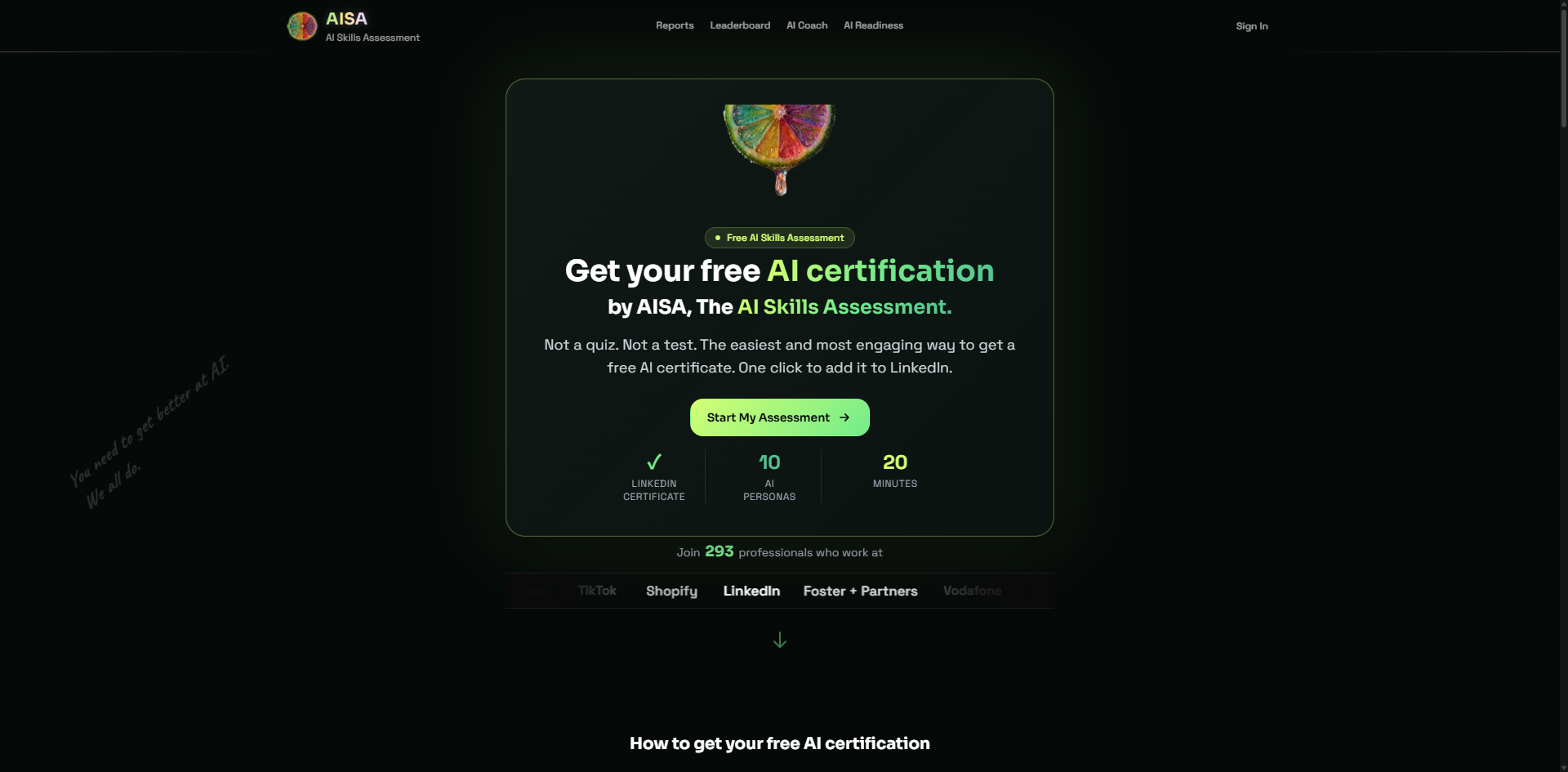
Aisa.to takes the top spot because it offers the most clearly defined assessment experience in this group. Its adaptive 20-minute conversational AI interview replaces multiple-choice quizzes, evaluates five dimensions across 11 criteria, and provides a free certification with data-backed reports and LinkedIn-verifiable credentials. That is not the same as automating a vendor security questionnaire, but it is a more structured evaluation workflow than the generic AI utilities below.
Why it is top-ranked
| Criterion | Assessment |
|---|---|
| Structured evaluation | Adaptive interview with real-time evaluation |
| Evidence signal | Full data-backed reports and verifiable credentials |
| Access | Completely free certification is a strong starting point |
| Main concern | The documented workflow assesses AI skills, not security controls |
Best fit
Operations leaders exploring a guided assessment rather than a blank AI chat box.
Teams that value a time-bounded interview and a shareable credential.
Readers looking for a free way to test how an assessment workflow feels before approaching enterprise software.
Limitations
The experience requires a continuous 20-minute commitment.
Its documented capabilities do not cover security questionnaires, vendor evidence, or control libraries.
Pricing beyond the free certification is not clearly presented here.
Shortlist Aisa.to if: You want the strongest documented assessment workflow in this shortlist and can validate whether its roadmap fits security reviews.

- Business teams
- Free trial
- Starts at Trial: $0/user/month
- Monthly visits: 23.3K
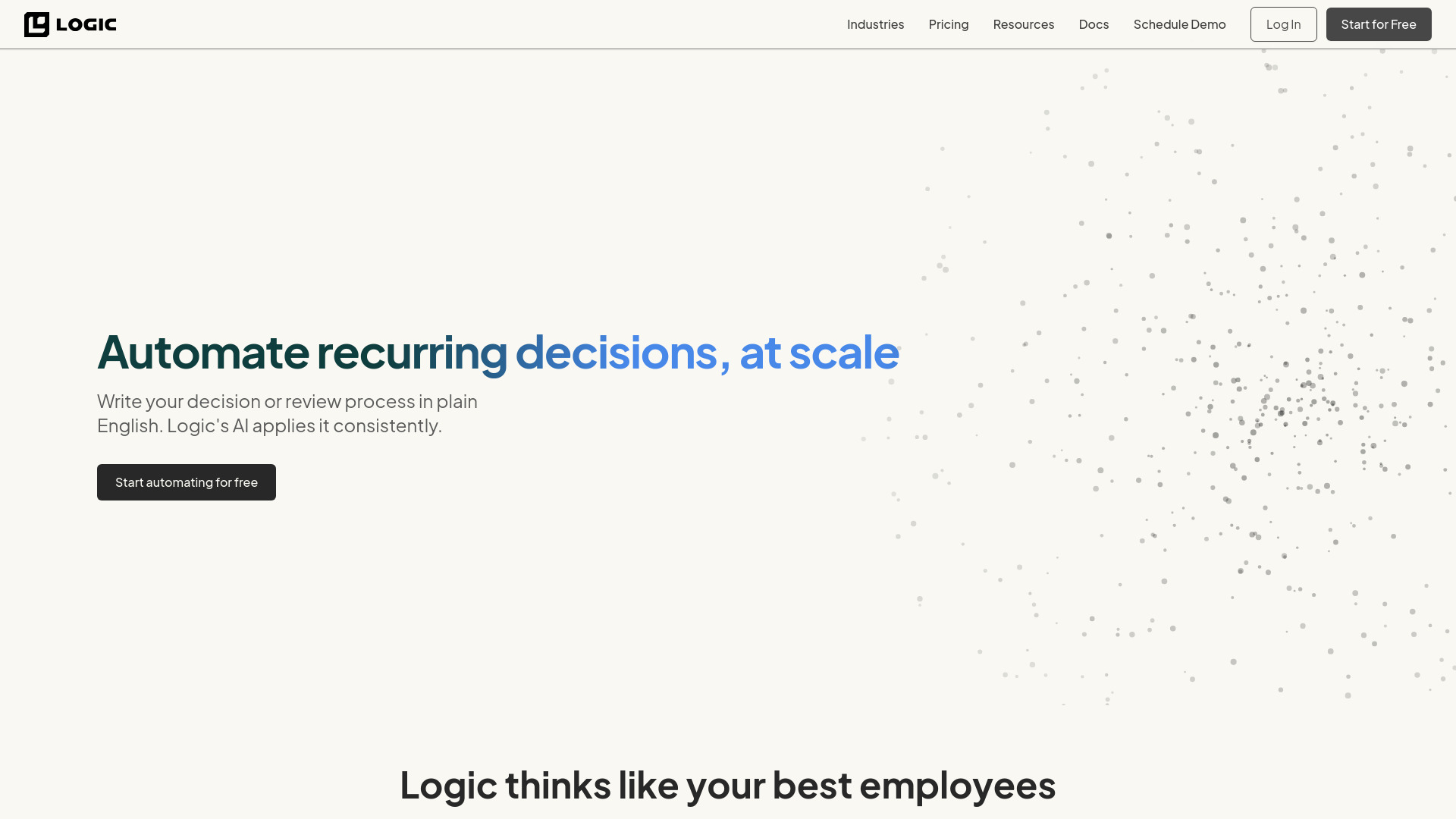
Logic is the most interesting adjacent candidate for teams that already have a repeatable review process written down. It converts plain-English process documents into functional APIs and automates recurring decisions and review processes at scale. In a security assessment context, that could be relevant for routing or decision logic-but the product details do not establish questionnaire import, answer reuse, evidence links, or security-specific controls.
Why it is top-ranked
It starts with plain-English process documentation instead of forcing teams to build every rule from scratch.
Functional APIs give a process a path into existing business systems.
The free trial lowers the cost of testing a recurring review workflow.
Best fit
Business teams with documented approval or review procedures.
Operators who need recurring decisions exposed through APIs.
Teams willing to design the security-questionnaire layer themselves.
Limitations
Ultra-plan "unlimited monthly tasks" is subject to abuse guardrails.
The documented features do not mention security questionnaire templates or vendor evidence.
From $20 per user per month is shown in the free-access description, while the starting price is listed as a $0 trial; confirm the paid structure with the vendor.
Shortlist Logic if: You need a process engine that might support questionnaire routing, not a ready-made security assessment product.

- Small business owners
- 7-day trial with 1,000 free credits
- Starts at PAYGO: $10/location/month
- Monthly visits: 7.4K
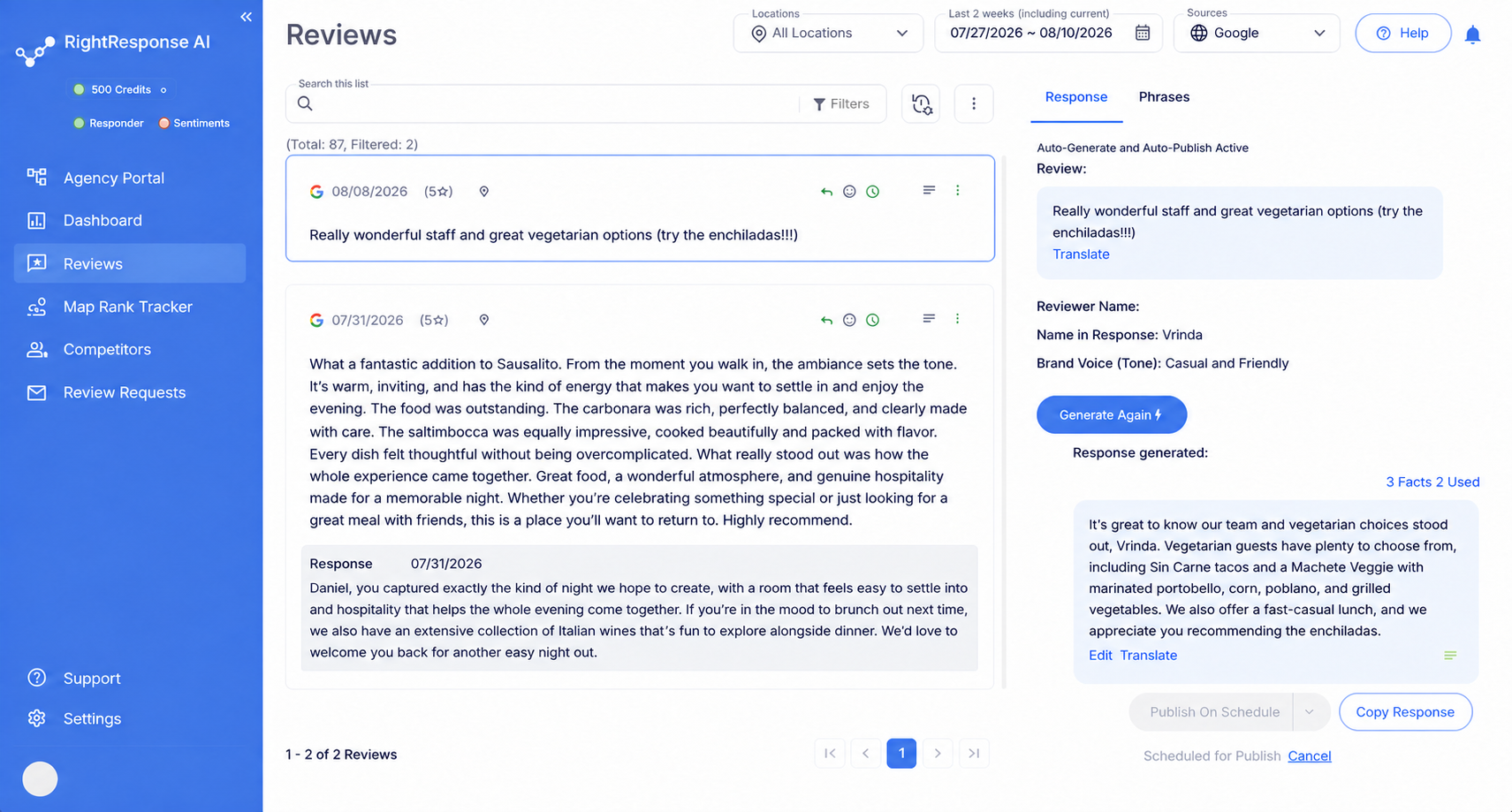
RightResponse AI earns its rank through a concrete multi-agent response workflow. The platform focuses on AI-generated review responses, automated publishing, sentiment analysis, personalized review requests, Voice of Customer insights, and Google Maps local rank tracking. That makes it an adjacent response-automation tool, not one of the top-rated AI software options for vendor security assessments. Still, its multi-agent structure is worth examining if response orchestration is your main interest.
Why it is top-ranked
A multi-agent workflow is more specific than a general-purpose writing assistant.
Automated generation and publishing connect drafting to execution.
A 7-day trial with 1,000 credits gives small teams a measurable test window.
Best fit
Small businesses managing customer reviews across locations.
Teams that need sentiment-aware response drafting and publishing.
Buyers comfortable with usage-based pricing.
Limitations
PAYGO pricing can make monthly costs variable without careful monitoring.
Its documented workflow is reputation management, not security assessment.
Google Maps tracking and review responses will not replace evidence collection or questionnaire approvals.
Shortlist RightResponse AI if: Your broader need is controlled, multi-agent response automation rather than vendor security questionnaires.

- Academic Researchers
- 500 points free trial
- Starts at Free: ¥0
- Monthly visits: 8.2K
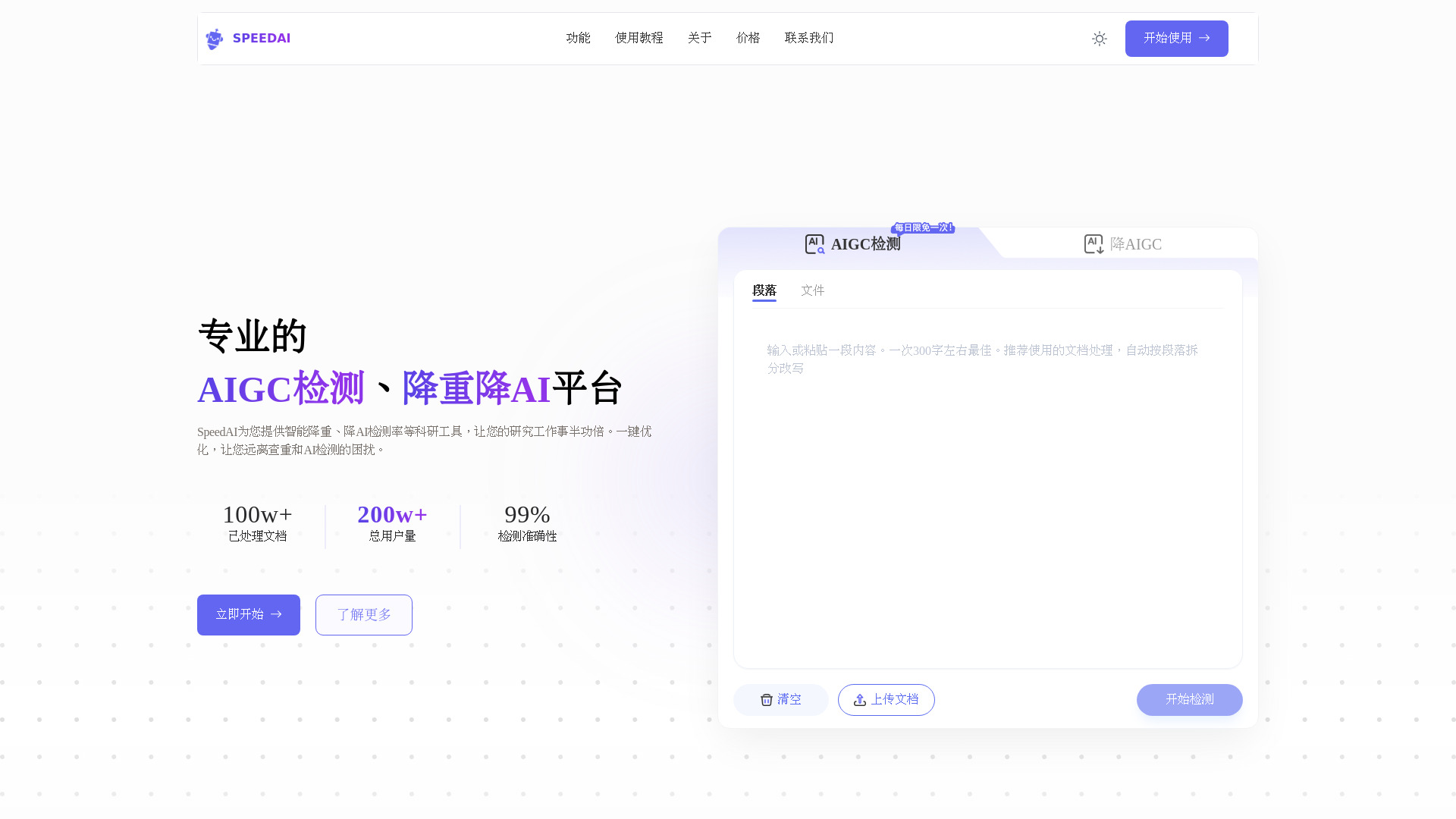
SpeedAI is built around rewriting academic material while preserving formatting. Its listed capabilities include optimization for Turnitin, CNKI, VIP, and Gezida, plus non-destructive handling of fonts, headers, and citations. That is a sharply defined document workflow, but it is far from a security questionnaire system. I would treat it as an unexpected alternative only for teams investigating document transformation-not for sensitive vendor review automation.
Best fit
Academic researchers working with formatted papers and reports.
Users who need rewriting that keeps headers, fonts, and citations intact.
Buyers who can work within a points-based model.
Limitations
Full functionality requires purchasing points or credits.
The documented use case targets academic writing and AI-detection platforms.
Nothing listed establishes security evidence handling or questionnaire answer governance.
Shortlist SpeedAI if: Your real problem is preserving document formatting during rewriting, not automating security assessments.

- Students
- 50 fast, 10 thinking, 2 deep-thinking messages/day
- Starts at Free: $0/month
- Monthly visits: 3.0K
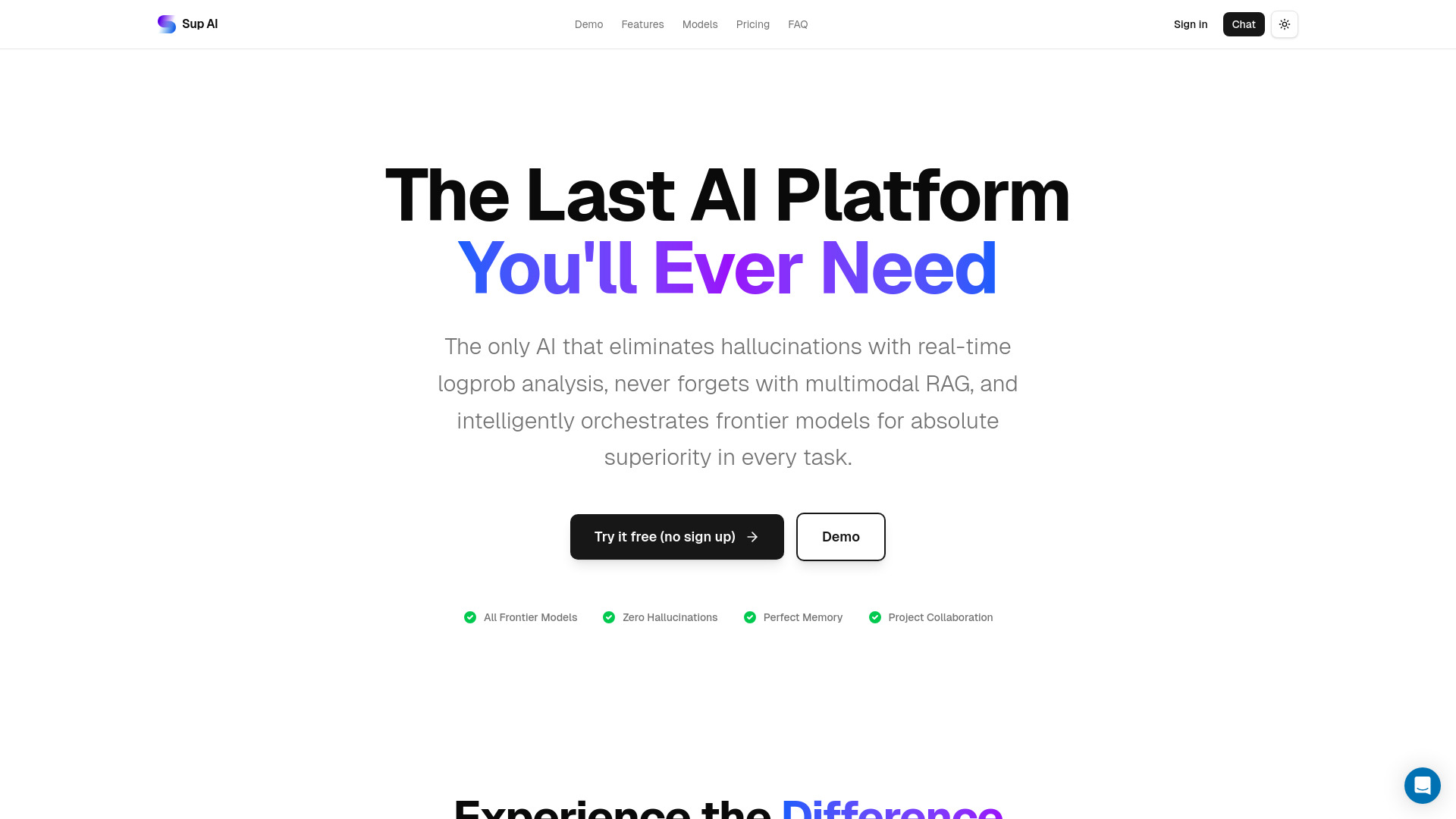
Sup AI stands out for its orchestration approach: Pro Mode coordinates nine frontier LLMs, while real-time logprob confidence scoring analyzes token probability to identify uncertainty and potential hallucinations. For security work, confidence signals could be a useful prompt for human review, but they are not evidence validation. The free plan includes daily message and image quotas, making it easy to experiment before assessing whether the model lineup is current enough for your needs.
Best fit
Students and researchers comparing multiple model responses.
Users who want uncertainty indicators alongside generated answers.
Teams prototyping synthesis workflows before building a formal review process.
Limitations
Some listed frontier models are deprecated, including Claude Opus 4.1, Gemini 2.5 Pro, and Llama 4 Maverick 17B.
Model confidence is not the same as a verified security answer.
The documented feature set does not include vendor assessment templates or audit trails.
Shortlist Sup AI if: You want multi-model synthesis and confidence scoring as a research aid, with a human reviewer still responsible for every answer.
- Content Writers
- Free forever; no sign-up or credit card required
- Starts at Free: $0
- Monthly visits: Usage signal not listed
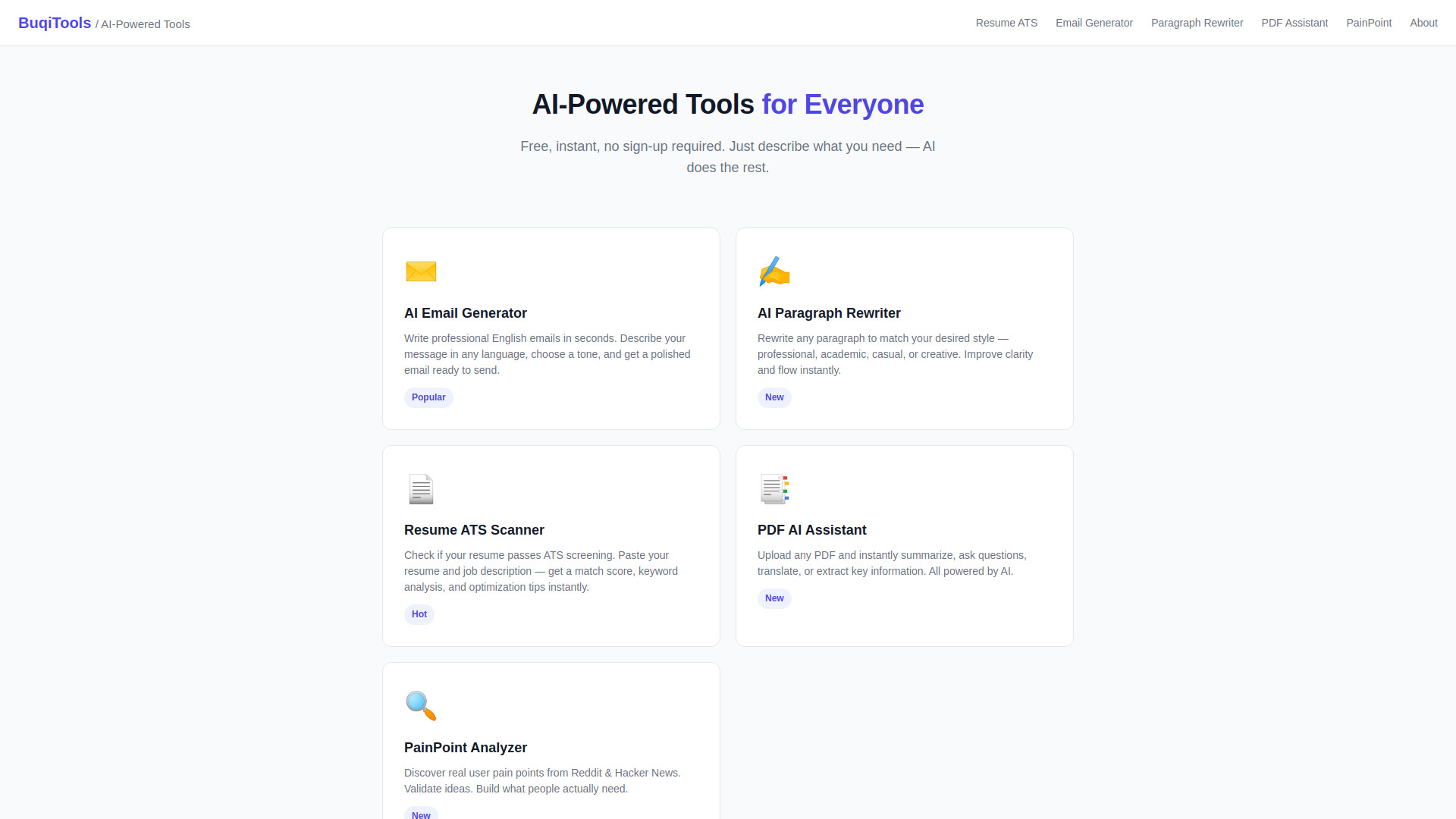
BukiTools wins on accessibility rather than depth. It bundles five AI tools-Resume ATS Optimizer, Email Generator, Paragraph Rewriter, PDF AI Assistant, and PainPoint Analyzer-and requires no registration. The PDF assistant is the closest possible bridge to document-heavy workflows, but the listed information does not say that it extracts questionnaire answers, maps controls, or preserves citations and evidence.
Best fit
Content writers who want several lightweight utilities in one place.
Users who refuse sign-up friction for an initial experiment.
Teams looking for a free PDF-adjacent utility to test carefully with non-sensitive material.
Limitations
The platform is limited to the tools listed on the site.
No security questionnaire or vendor-assessment workflow is documented.
There is no listed usage signal to help estimate market adoption.
Shortlist BukiTools if: You need a free, no-sign-up utility suite and are prepared to verify every security-related output manually.

- LLM engineers
- Free; no login or sign-up required
- Starts at Check vendor pricing
- Monthly visits: Usage signal not listed
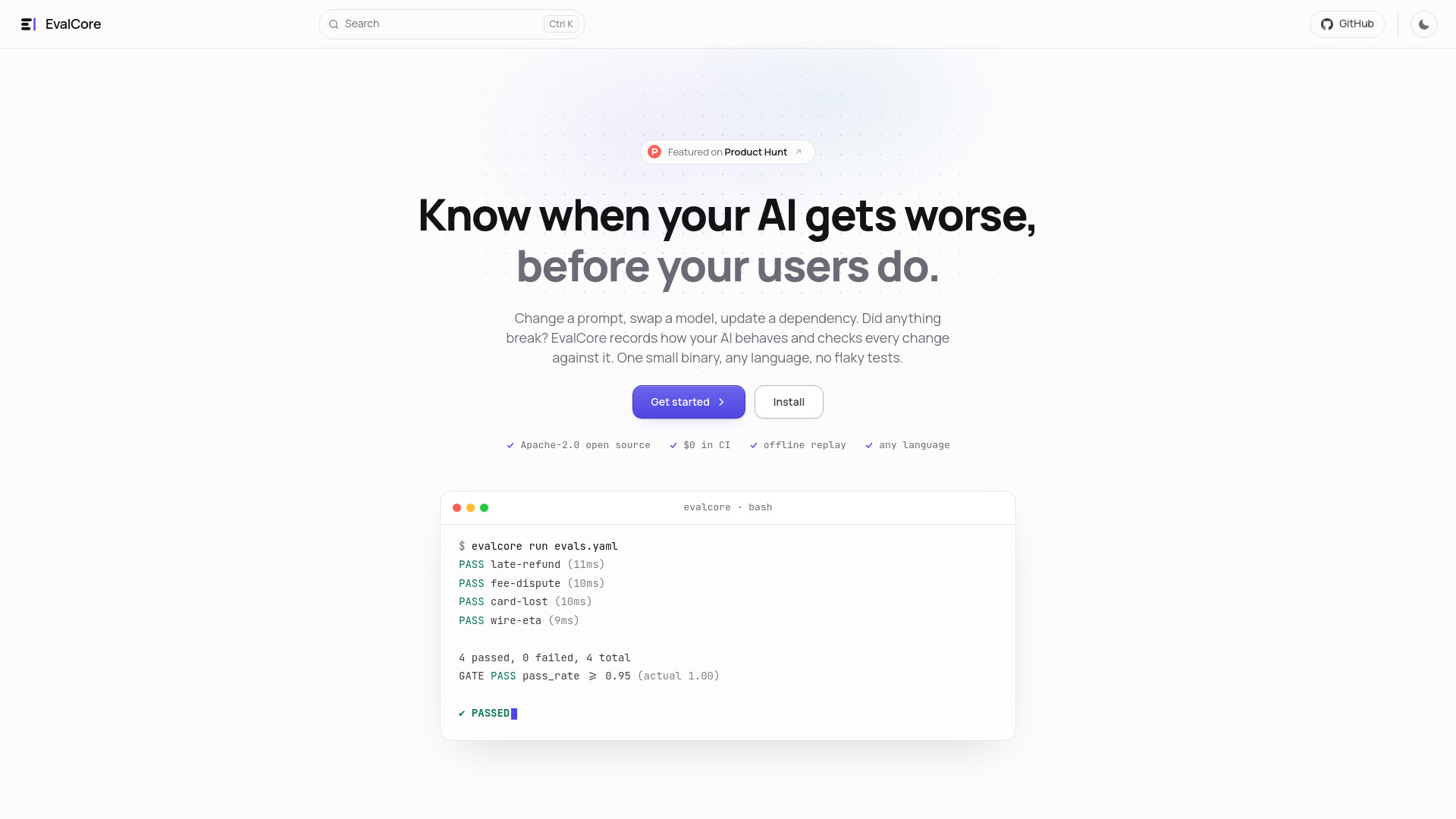
EvalCore is a developer-oriented testing utility rather than a questionnaire answerer. Its single-binary runner supports LLM apps and agents, with YAML-based evaluation definitions and scorers. The key advantage is deterministic offline replay: after an initial live run records cassettes, CI tests can run quickly without ongoing model cost. That could help test an internal answer-generation pipeline, but it does not supply the questionnaire content or evidence layer.
Best fit
LLM engineers testing an internal security-answering assistant.
Teams that want repeatable checks in CI.
Developers comfortable recording an initial live run and maintaining YAML evaluations.
Limitations
An initial live run is required to record cassettes.
It tests AI behavior; it does not manage vendor questionnaires.
Pricing details beyond the free positioning are not clearly presented.
Shortlist EvalCore if: You are building the automation yourself and need deterministic tests for the AI component.

- Content Writers
- 3 generations per month
- Starts at From $3.93/month
- Monthly visits: Usage signal not listed
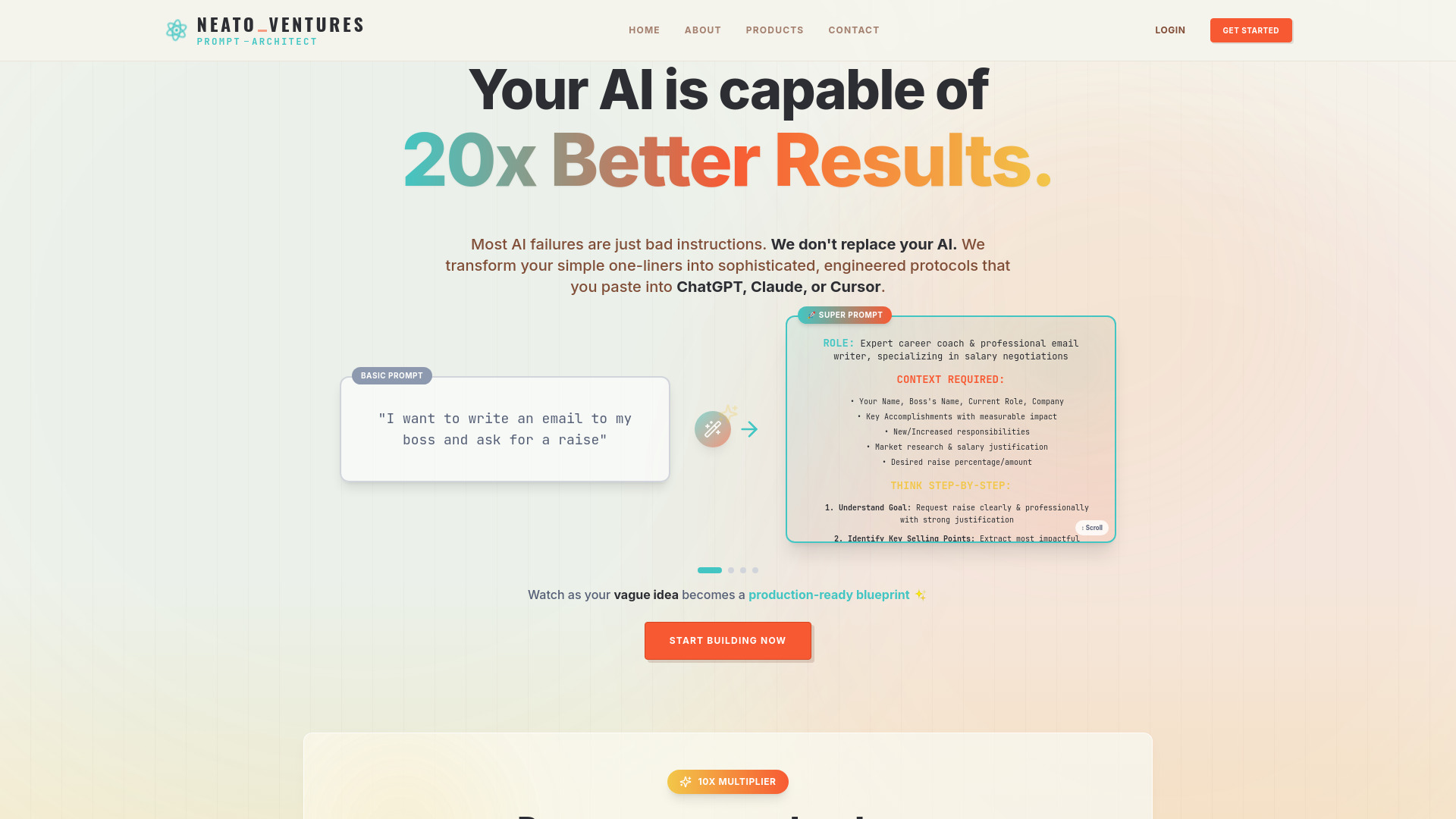
Neato Prompt addresses the first-mile problem: vague instructions. Prompt Architecting turns a one-line request into a structured prompt with role, context, and step-by-step guidance, while Interview Mode asks follow-up questions to fill gaps. That can improve consistency when drafting questionnaire responses, but the tool does not generate the final output directly. It is a prompt-building layer, not a complete security questionnaire automation system.
Best fit
Content writers and operators who struggle to specify complex requests.
Teams standardizing prompts for repeated answer-drafting tasks.
Buyers who want a low-cost starting point at $3.93 per month.
Limitations
It does not generate the final output directly.
Only three generations per month are free.
No documented evidence retrieval, approval routing, or vendor-security integrations.
Shortlist Neato Prompt if: Your bottleneck is writing consistent prompts for a separate AI system that handles the actual drafting.

- IT administrators
- Self-hosted in your cloud; free
- Starts at Free: $0/month
- Monthly visits: Usage signal not listed
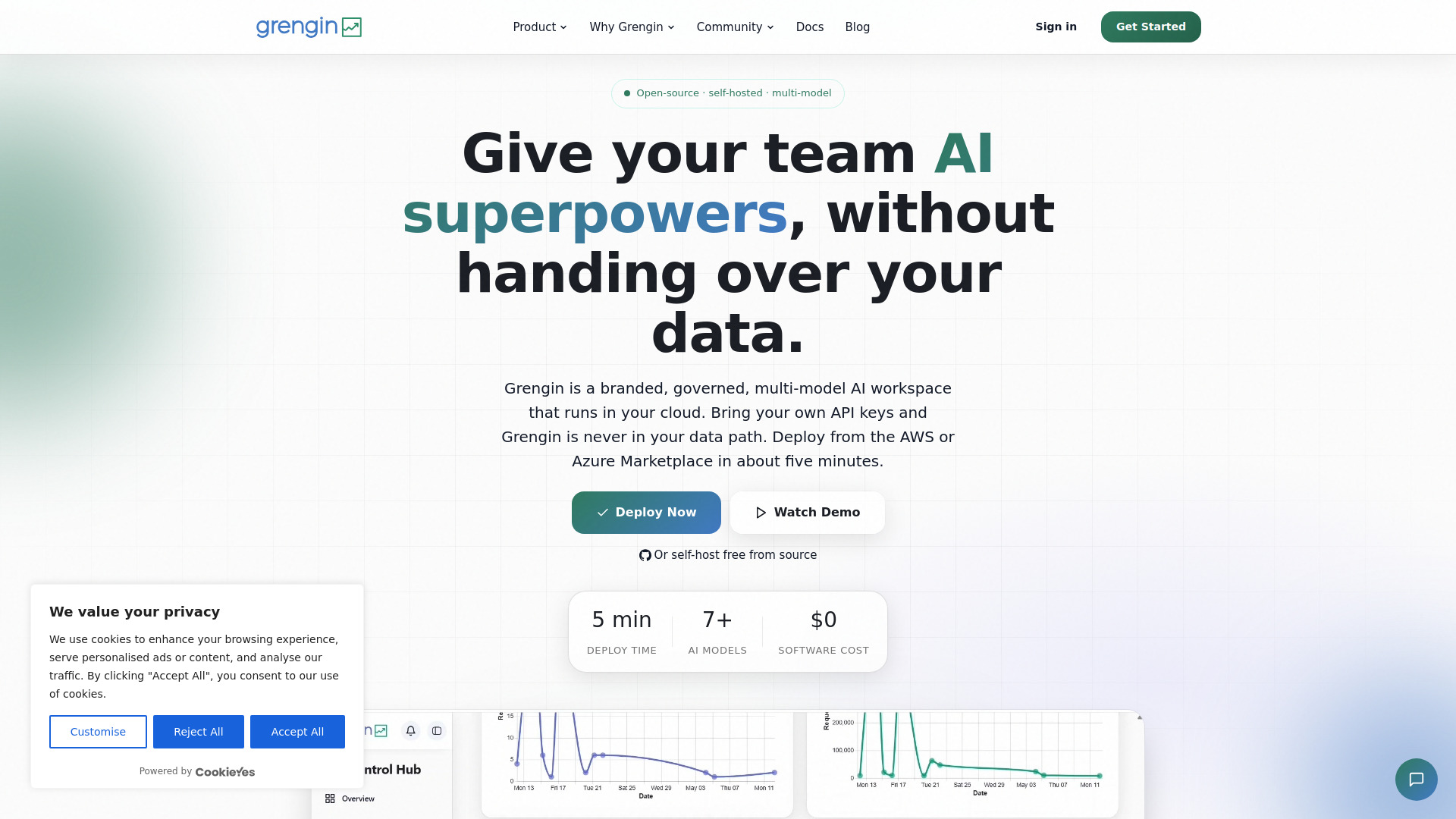
Grengin is the strongest infrastructure-oriented option in the group. It provides multi-model access to OpenAI, Claude, Gemini, and more, plus an admin dashboard with usage analytics and governance controls. Running in your own cloud means Grengin is not in the data path, which is a meaningful deployment angle for sensitive internal workflows. However, you still need to build or connect the questionnaire process, and you must bring your own cloud account and AI provider API keys.
Best fit
IT administrators managing governed access to several AI providers.
Organizations that prefer self-hosting in their own cloud.
Teams with engineering capacity to connect an AI workspace to review systems.
Limitations
Your team must supply a cloud account and AI provider API keys.
The listed capabilities do not include security questionnaire automation.
Self-hosting shifts deployment, access, and operational responsibility to you.
Shortlist Grengin if: Data-path control and model governance matter more than having a ready-made questionnaire application.

- Founders
- First article free
- Starts at Single brand: $39/month
- Monthly visits: Usage signal not listed
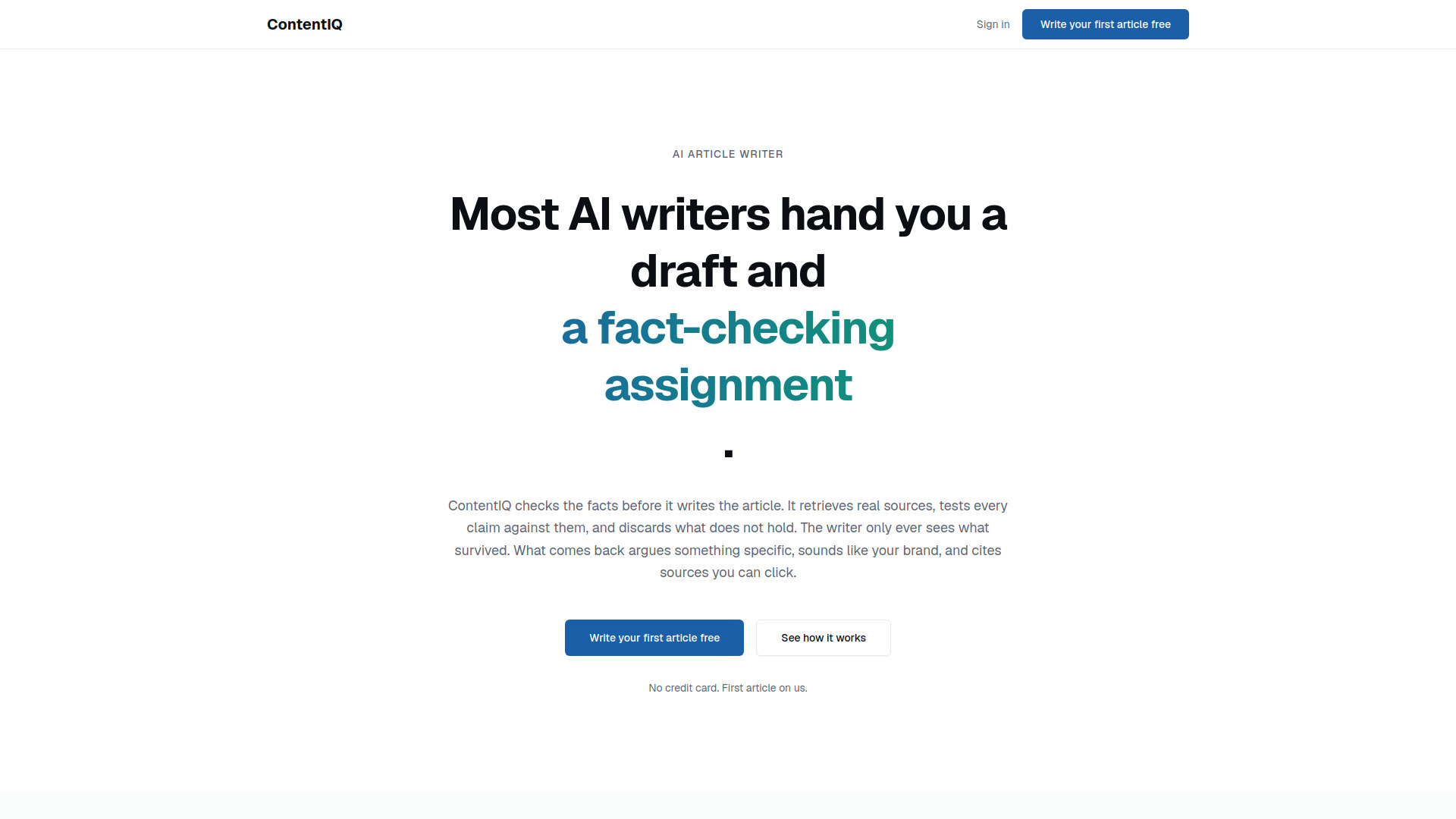
ContentIQ brings a useful discipline to AI-assisted writing: it validates claims against live sources before drafting and provides clickable sources. A one-time Brand Profile setup keeps voice and positioning consistent. For a security questionnaire, source validation is directionally relevant, but live web sources cannot substitute for authoritative internal policies, current audit reports, or approved vendor evidence. Use it as a research and drafting alternative, not as an automatic trust decision.
Best fit
Founders who need fact-checked articles with clickable sources.
Teams maintaining a consistent brand voice across repeated drafts.
Buyers who want to test one article before paying $39 per month for a single brand.
Limitations
Initial setup is required to build a brand profile.
Live-source checking is not the same as validating internal security controls.
No questionnaire import, answer library, or assessment approval workflow is documented.
Shortlist ContentIQ if: You need source-aware writing and can keep security evidence review inside a separate controlled process.
More tools to compare
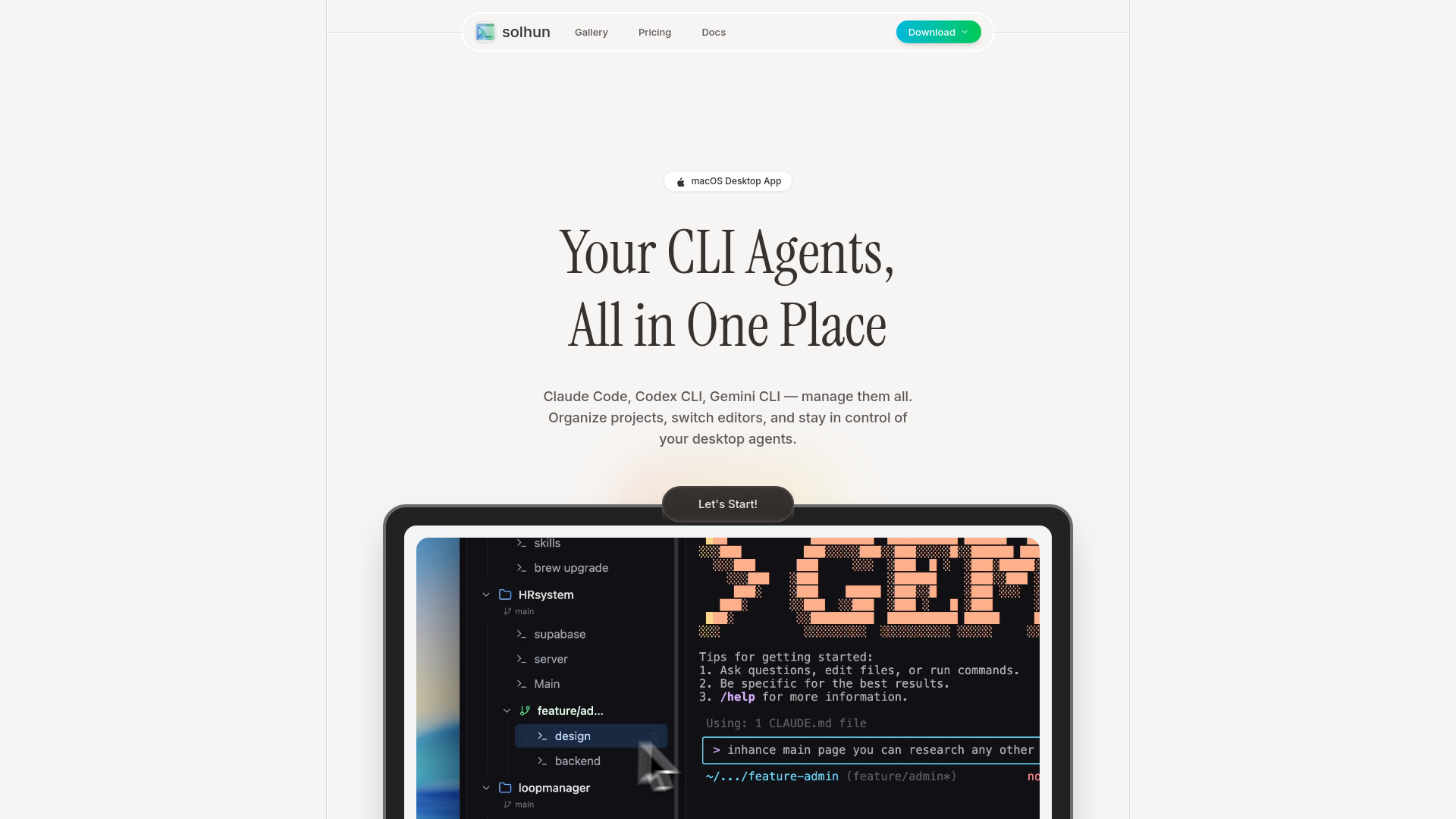
- Managing multiple AI coding agents
- Free plan available
- Starts at $4.99/month
Which security questionnaire automation tool should you try first?
For a genuine security assessment buying process, none of these entries should be accepted without a live demonstration of questionnaire ingestion, evidence citation, permissions, reviewer approval, export, and data retention. Start with Logic if you want to prototype recurring process decisions, Grengin if self-hosting is central, and EvalCore if you are engineering an AI workflow that needs regression tests. Aisa.to is the easiest free assessment experiment, but its documented purpose is AI skills certification.
The top-rated security questionnaire automation choice should ultimately be the product that can show an answer trace from question to approved evidence-not simply the tool with the highest score or most fluent output.
What to test before choosing
Upload a representative, non-confidential questionnaire and test ambiguous questions, stale policy references, unanswered fields, duplicate questions, and requests that require a human decision. Check whether the system cites the exact source, flags uncertainty, preserves the original wording, routes exceptions, and exports in the format your customer expects. Then confirm retention, deletion, access controls, model-training policy, and live pricing with the vendor.
Common mistakes when choosing security questionnaire automation
Confusing fluent drafting with verified answers. A polished response can still be unsupported or out of date.
Ignoring evidence provenance. Require citations to approved policies, audits, or other authoritative sources.
Skipping the approval path. Security, legal, IT, and sales may need different review permissions.
Assuming a general AI workspace is a security platform. Multi-model access and prompt tooling do not automatically provide control mapping or audit history.
Testing only easy questions. Include exceptions, "not applicable" decisions, and questions that cross multiple teams.
Overlooking variable usage costs. Credit-based and usage-based plans can be harder to forecast than a flat subscription.
FAQ
It is software that helps teams collect, draft, verify, approve, and return answers to customer or vendor security assessments. A mature workflow should connect answers to current evidence and preserve an audit trail. Not every AI writing or process tool offers those capabilities.