
Suggested tools for you
Quick Trust Line
- Tools reviewed
- 34
- Last checked
- August 30, 2026
- Reviewed by
- top100.ai software rankings editor
- What we checked
- These rankings combine feature depth, audience fit, and market signals; always verify live pricing and usage limits with the vendor.
Start here
Best overall match: oMLX stands out for Apple Silicon developers who want a native macOS server with SSD-backed KV caching and concurrent request handling.
Best open-source terminal option: Jcode brings a Rust-based coding agent, durable semantic memory, background tasks, and agent swarms together.
Important caveat: This is a broad 34-tool comparison, and several highly ranked entries are adjacent developer or AI-agent products rather than conventional IDE copilots. Treat the list as a discovery shortlist, then test each tool against your repository and workflow.
At-a-glance leaderboard
| Rank | Tool | Score | Best for | Starting price |
|---|---|---|---|---|
| #1 | oMLX | 91/100 | Software developers | Check vendor pricing |
| #2 | Jcode | 91/100 | Software developers | Jcode Software: $0 |
| #3 | Isgen | 90/100 | Students | Academic: $8 per month |
| #4 | VibeBot.gg | 90/100 | Discord server owners | Free Trial: $1 one-time setup fee |
| #5 | Sim | 90/100 | AI engineers | Free: $0 |
| #6 | Abliteration.ai | 90/100 | Cybersecurity researchers | Free tier: 0 |
| #7 | aiOS | 90/100 | Founders | Try: Free |
| #8 | Lily | 90/100 | Knowledge workers | Plus: $20.00/month |
| #9 | AI Photo Editor | 90/100 | Graphic designers | Basic: $7.90/month |
| #10 | AI Inspo | 90/100 | Content creators | Check vendor pricing |
Quick filters
| Need | First tools to inspect | Why they stand out |
|---|---|---|
| Local or terminal development | oMLX, Jcode | Native Apple Silicon inference and an open-source terminal agent |
| Build agent workflows | Sim, aiOS | Visual, conversational, or text-controlled automation |
| No-code bot creation | VibeBot.gg, Lily | Plain-English generation and no-terminal workflows |
| AI-assisted creative work | AI Photo Editor, AI Inspo | Prompt-based editing, templates, and multi-model creation |
How to narrow the list
The phrase "top 10 ai coding agents" covers more ground than a single IDE plugin. Some products here operate in a terminal, some run local model inference, and others help nontechnical users build bots or agent workflows. A few entries are clearly adjacent alternatives: Isgen focuses on writing-integrity analysis, while AI Photo Editor and AI Inspo are creative tools. They remain useful signals for readers exploring the wider AI-agent market, but they should not be mistaken for repository-aware coding assistants.
Start with the environment you actually use. Apple Silicon and macOS users should examine oMLX first. Developers who prefer open tooling and a terminal should look closely at Jcode. Teams designing repeatable agent workflows may get more from Sim, while founders interested in business automation may prefer aiOS. If your goal is Discord moderation, VibeBot.gg is the more direct fit than a general coding agent.
Then check the cost of the workflow, not just the headline plan. Jcode Software is listed at $0, but hosted inference adds recurring subscription and usage billing. Lily has a free trial but requires a download. Sim offers a free plan with 1,000 monthly credits, while VibeBot.gg provides a three-day full-access trial rather than a perpetual free tier. These distinctions matter once an agent becomes part of your daily development loop.
Ranking model
The leaderboard combines the supplied score with practical fit and observable product signals. A high position reflects a useful combination of capability, clarity of use case, access, and adoption-not a promise that every tool is a coding agent for every stack.
| Criterion | Weight | What we looked for |
|---|---|---|
| Workflow capability | 35% | Depth of the tool's stated agent, automation, or development workflow |
| Audience fit | 25% | How clearly the product serves a defined user and use case |
| Access and value | 20% | Free access, starting price, and meaningful limits |
| Market signal | 20% | Monthly visits and usage signal as indicators of active interest |
The 10 ranked tools

- Software developers
- Free plan available
- Starts at Check vendor pricing
- Monthly visits: 127.5K
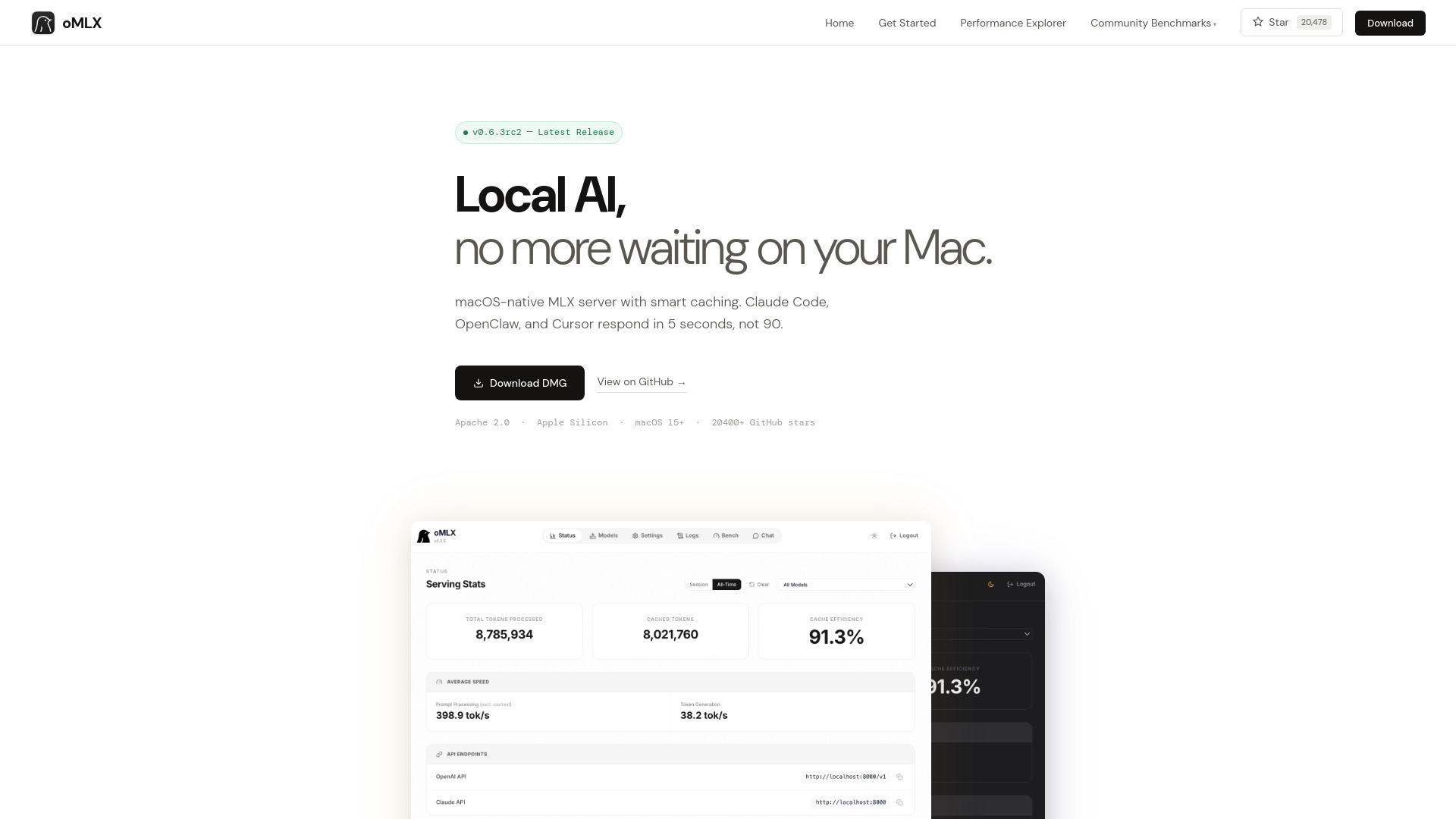
The strongest match on this list takes a distinctly local approach. oMLX is a native macOS server optimized for Apple Silicon, with paged SSD KV caching designed to reduce time-to-first-token and continuous batching for concurrent request throughput. That combination is unusually specific: it targets developers who care about local inference performance rather than another browser-based chat layer.
Why it is top-ranked
| Signal | Assessment |
|---|---|
| Developer fit | Strong for software developers using Apple Silicon Macs |
| Performance angle | Paged SSD KV caching targets faster responses and lower time-to-first-token |
| Throughput | Continuous batching supports concurrent requests |
| Compatibility | OpenAI- and Anthropic-compatible API support broadens integration options |
Best fit
Developers running local AI workflows on Apple Silicon hardware.
Teams that need an API-compatible local server rather than a standalone chat interface.
Users who value concurrent request handling and response latency.
Limitations
Requires Apple Silicon and macOS 15 or later.
Pricing is not presented as a clean public starting tier, so budget planning requires a vendor check.
It is a specialized local inference choice, not a universal hosted coding workspace.
Shortlist oMLX if: You want a native Mac-based inference server with a performance story built around caching and batching.

- Software developers
- Durable memory and background tasks
- Starts at Jcode Software: $0
- Monthly visits: 10.6K
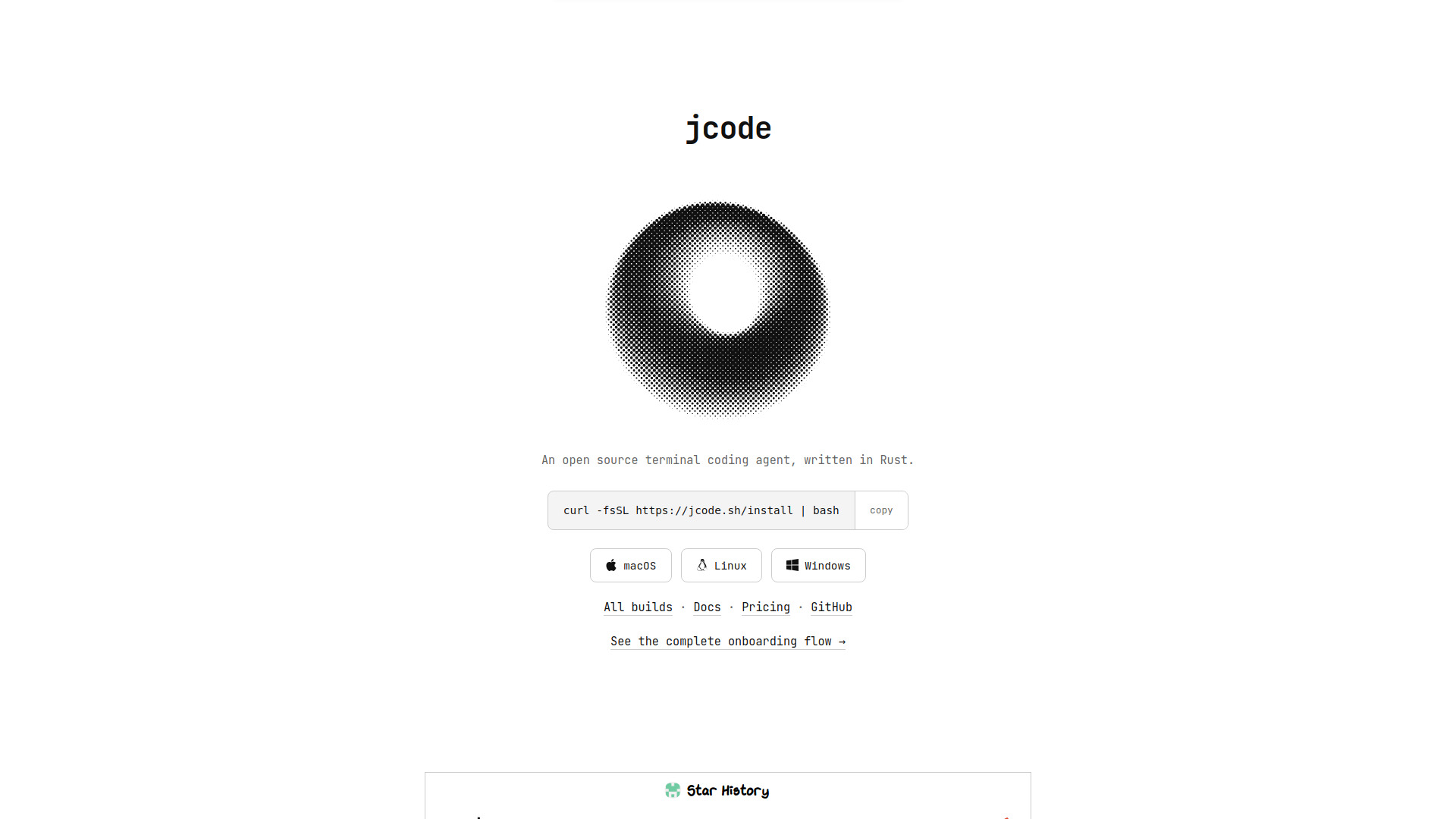
Jcode earns its place through a developer-first architecture rather than broad consumer reach. The open-source, MIT-licensed Rust terminal coding agent includes durable semantic memory that automatically recalls relevant project context. Background tasks and agent swarms make it more interesting for developers who want work to continue beyond a single interactive prompt.
Why it is top-ranked
Open-source and MIT licensed, with no feature gates on the software itself.
Semantic memory gives the agent a way to retain and retrieve project context.
Background tasks and agent swarms push it beyond a simple terminal autocomplete workflow.
Best fit
Developers comfortable working in a terminal and evaluating open-source tools.
Teams that want project memory and longer-running agent tasks.
Engineers who want to separate the agent software from hosted inference costs.
Limitations
Hosted inference requires a recurring subscription and additional usage billing.
Its terminal orientation may feel less approachable than a visual editor.
A smaller monthly-visit signal means you should validate documentation and workflow fit directly.
Shortlist Jcode if: You want an open-source terminal agent with memory, background work, and swarm-style execution.

- Students
- Free detection up to 5,000 characters
- Starts at Academic: $8 per month
- Monthly visits: 750.9K
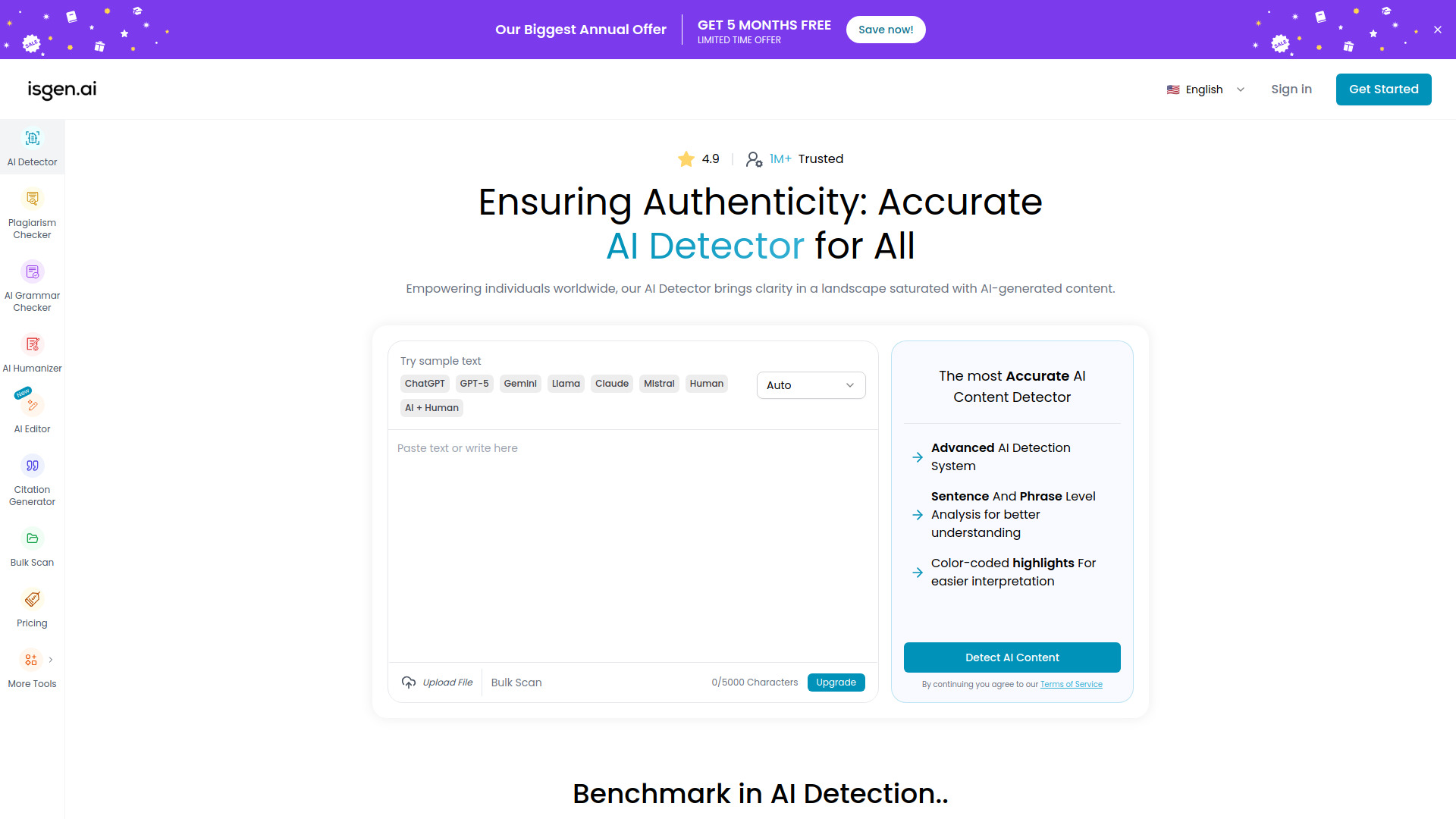
Isgen is the clearest example of an adjacent tool on this leaderboard. Rather than helping write or refactor code, it analyzes text for AI generation across more than 80 languages. Its support for ChatGPT, GPT-5, Claude, Gemini, DeepSeek, Llama, and Mistral, plus sentence- and phrase-level analysis, makes it relevant to students and educators assessing AI-assisted writing around technical coursework.
Why it is top-ranked
Supports more than 80 languages, giving it unusually broad multilingual reach.
Detects output associated with a wide range of named AI models.
Sentence- and phrase-level insights are more actionable than a single document-level label.
Best fit
Students checking technical assignments before submission.
Educators and reviewers who need granular writing-integrity signals.
Multilingual users who need analysis beyond English-only text.
Limitations
AI detection is not guaranteed to be 100% accurate.
It is not a repository-aware coding agent or code-generation environment.
Users should treat its output as a review signal, not definitive proof of authorship.
Shortlist Isgen if: You need an AI-detection layer for technical writing, not an agent that edits or runs code.

- Discord server owners
- 3-day full-access trial
- Starts at Free Trial: $1 one-time setup fee
- Monthly visits: 361.4K

Plain-English bot generation is VibeBot.gg's defining move. Discord server owners can describe a bot without writing code, then use autonomous AI agents for context-aware moderation, auto-responses, and ticket handling. It is better understood as a focused agent-building platform than as a coding assistant, but that focus may be exactly what a community operator needs.
Best fit
Discord owners who want custom behavior without programming knowledge.
Communities that need moderation, auto-response, or ticket workflows.
Operators who prefer describing behavior in natural language.
Limitations
There is no entirely free perpetual tier; access is restricted after the trial unless maintained.
Its workflow is centered on Discord bots rather than general software repositories.
The one-time trial setup fee and later pricing deserve a close checkout review.
Shortlist VibeBot.gg if: Your "coding agent" need is really a custom Discord bot that can act on community context.

- AI engineers
- 1,000 monthly credits
- Starts at Free: $0
- Monthly visits: 154.0K
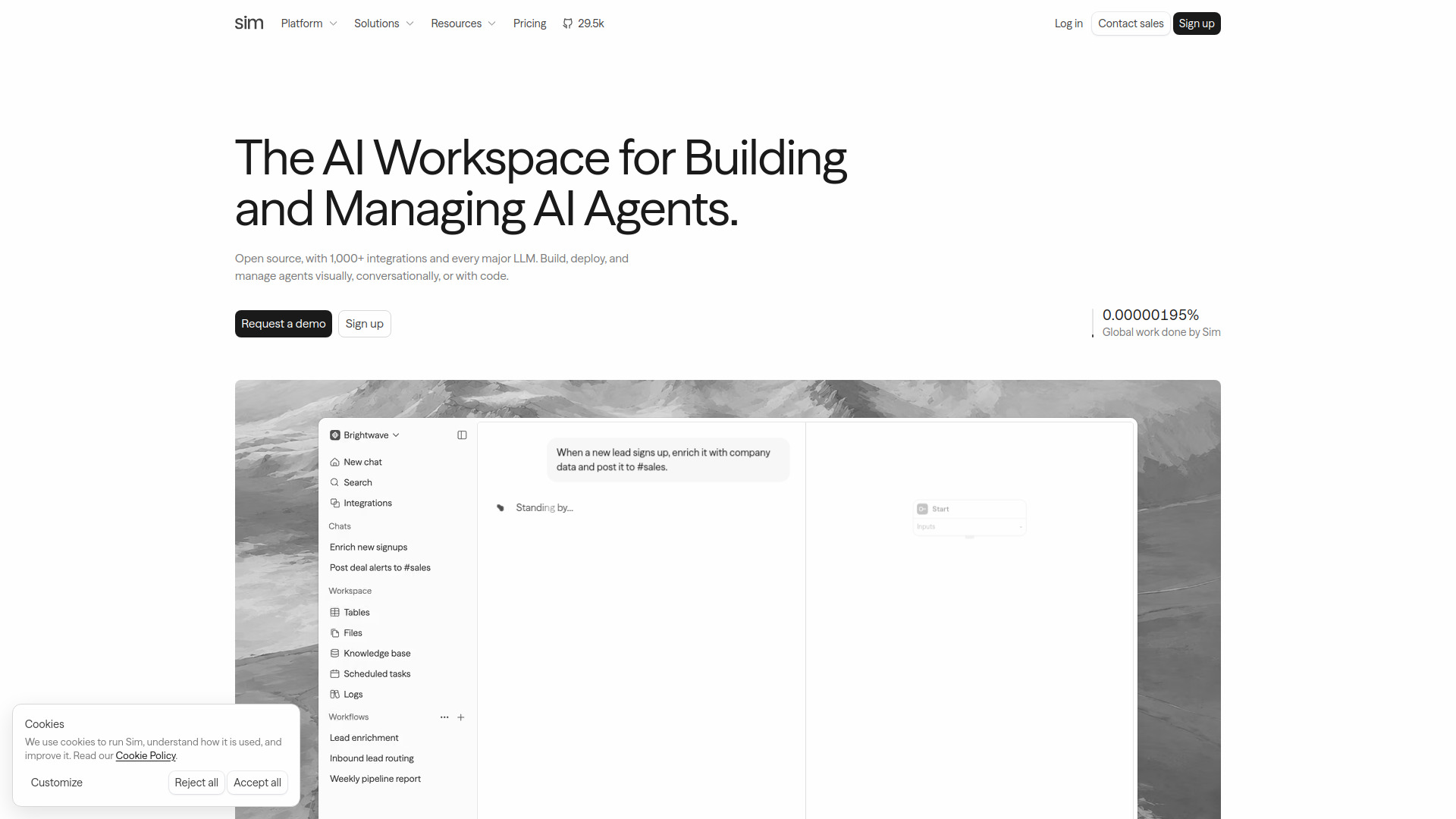
Sim is the most flexible agent-construction environment among the featured options. It supports visual, conversational, and code-based development, then connects to more than 1,000 integrations, including GitHub, Jira, Linear, Slack, Salesforce, HubSpot, Notion, and Gmail. That makes it a strong adjacent choice for engineers building internal development workflows rather than asking an agent to edit one file at a time.
Best fit
AI engineers designing multi-step agent workflows.
Teams that need GitHub, Jira, Linear, or communication-tool connections.
Builders who want to move between visual configuration and code.
Limitations
Advanced capabilities and higher execution limits require paid plans.
A broad integration surface can introduce more setup than a focused coding tool.
It is a workflow builder, so repository editing and code execution should be tested rather than assumed.
Shortlist Sim if: You are building an operational AI agent around your development stack, not just looking for inline code completion.
- Cybersecurity researchers
- 1 free credit, approximately 500 tokens
- Starts at Free tier: 0
- Monthly visits: 70.7K
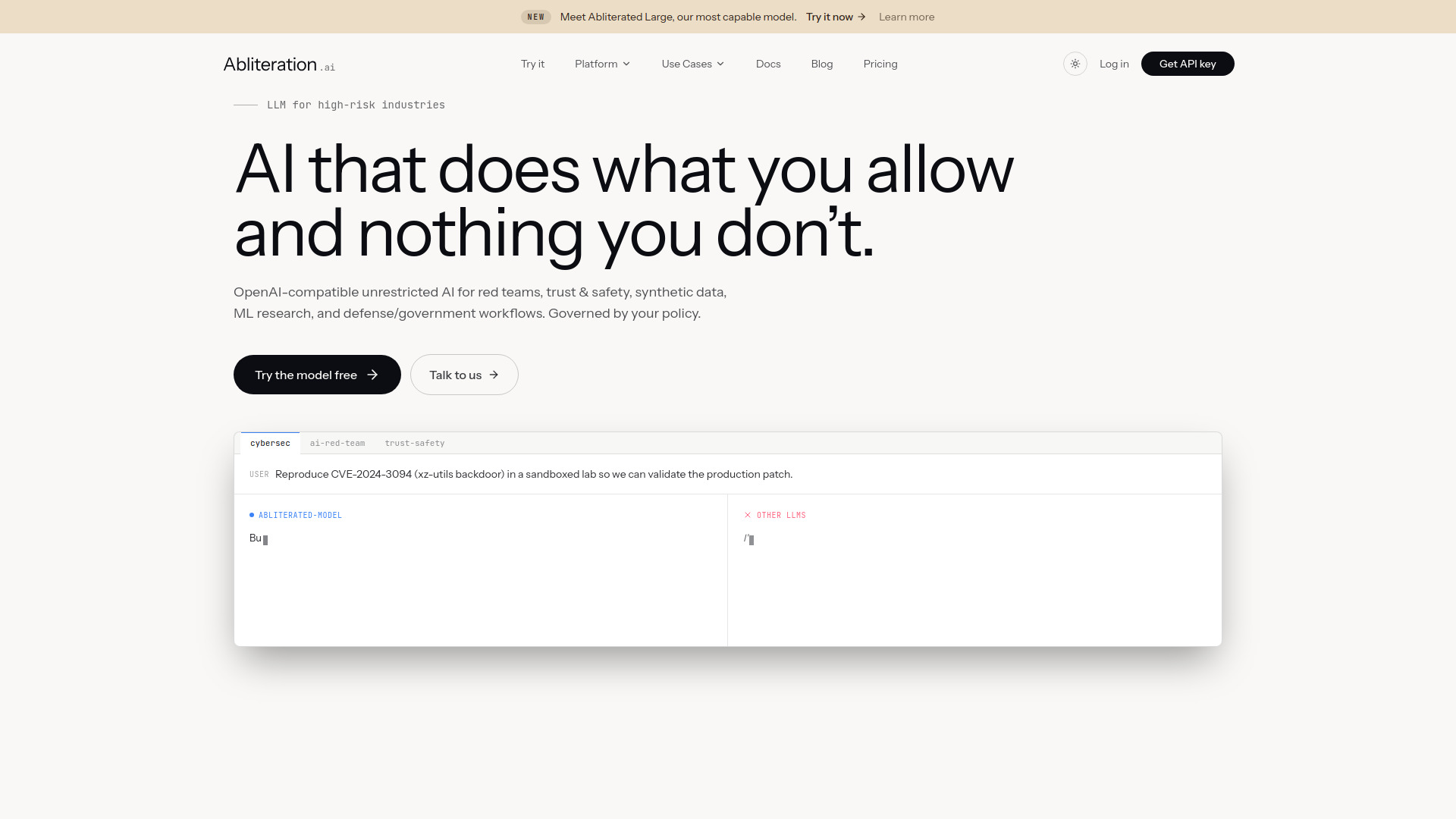
Abliteration.ai targets a specific pain point: legitimate sensitive work that can be blocked by refusal behavior in other language-model providers. Its less-restricted models and OpenAI- and Anthropic-compatible APIs are particularly relevant to security researchers, red teams, trust-and-safety teams, and ML engineers. The API compatibility is practical because existing SDKs, code, and agent frameworks can migrate with a base-URL change.
Best fit
Cybersecurity researchers and red teams working on legitimate sensitive use cases.
ML engineers who need API compatibility with existing tooling.
Teams evaluating governance around model access and policy controls.
Limitations
The free preview is only one credit, approximately 500 tokens.
Monthly plans and token usage are paid beyond the limited preview.
Less-restricted output increases the importance of internal review, access control, and responsible-use policies.
Shortlist Abliteration.ai if: Your development or security workflow is constrained by provider refusals and you need a compatible API migration path.

- Founders
- 5 free messages lifetime per device
- Starts at Try: Free
- Monthly visits: 16.5K

aiOS puts business automation behind a conversational control layer. Founders can interact through iMessage, the web, WhatsApp, Telegram, and phone, with the system positioned as an AI employee for business tasks. That makes it a useful alternative for people who want to delegate operational work by text rather than assemble a developer-centric agent stack.
Best fit
Founders who want to trigger business automation from familiar messaging channels.
Small teams exploring an AI employee concept without a lengthy setup.
Users who value phone and messaging access alongside a web interface.
Limitations
Pricing tiers and usage limits can be complex.
The lifetime free allowance is only five messages per device.
It is business automation software, not a conventional code-generation agent.
Shortlist aiOS if: You want to control business workflows by text and your priority is delegation rather than repository-level coding.

- Knowledge workers
- Try it free
- Starts at Plus: $20.00/month
- Monthly visits: 2.5K
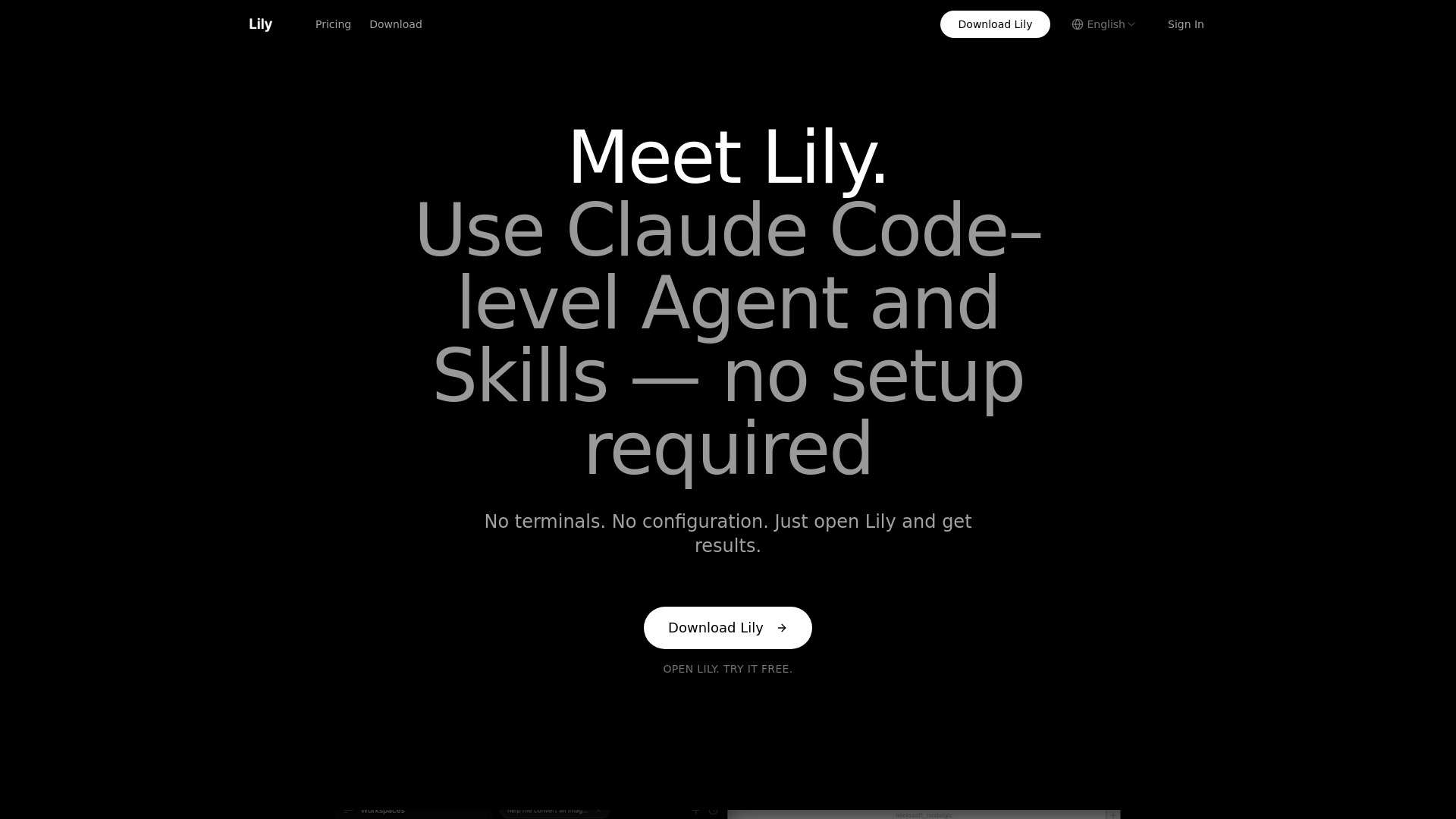
Lily takes the intimidating parts out of an agent workflow. It offers Claude Code-level Agent and Skills capabilities without terminals, setup, or configuration, which makes it one of the more approachable entries for knowledge workers. The tradeoff is simple but important: you need to download Lily, so this is a desktop workflow rather than a purely browser-based experience.
Best fit
Knowledge workers who want capable agent behavior without terminal commands.
Non-coders exploring task automation and built-in skills.
Users who value immediate setup over assembling their own environment.
Limitations
Requires a software download.
Its non-coder positioning may not satisfy developers who need detailed repository controls.
The Plus plan starts at $20 per month after the free trial.
Shortlist Lily if: You want a Claude Code-level agent experience without learning terminal setup first.

- Graphic designers
- Free plan available
- Starts at Basic: $7.90/month
- Monthly visits: 90.6K

AI Photo Editor is another adjacent alternative, aimed at visual work rather than software development. Its text-prompt editing covers restoration, colorization, style transfer, and object or appearance changes. For teams building content workflows around an AI agent, the appeal is the low-friction interface: describe the edit instead of managing complex layers or masks.
Best fit
Graphic designers who want natural-language image changes.
Content teams handling restoration, colorization, or style-transfer tasks.
Users who prefer prompt-based editing to manual layer and mask work.
Limitations
Image generation consumes credits.
It does not function as a coding agent or software-development workspace.
Visual consistency and output quality should be checked on the exact assets you use.
Shortlist AI Photo Editor if: Your broader AI workflow includes prompt-driven visual production alongside development or automation work.

- Content creators
- 100 credits weekly
- Starts at Check vendor pricing
- Monthly visits: 26.2K

AI Inspo rounds out the list as a broad creative AI platform. Ready-to-use templates and support for multiple AI models help creators turn ideas into shareable content without jumping between separate tools. It is not a coding agent, but it is a useful comparison point for readers who use "agent" broadly to mean an AI-assisted production workflow.
Best fit
Content creators who want templates instead of a blank prompt box.
Users producing both images and videos in one platform.
Teams that prefer a consolidated creative workflow.
Limitations
The free plan limits users to three videos and three images weekly.
It is focused on content creation, not code generation or repository automation.
Vendor pricing should be checked before relying on it for higher-volume production.
Shortlist AI Inspo if: You need a multi-model creative workspace and your workflow extends beyond code into images and video.
More tools to compare

- Beginners learning Claude Code
- Starts at $9/month
- Monthly visits: 12,139 monthly visits


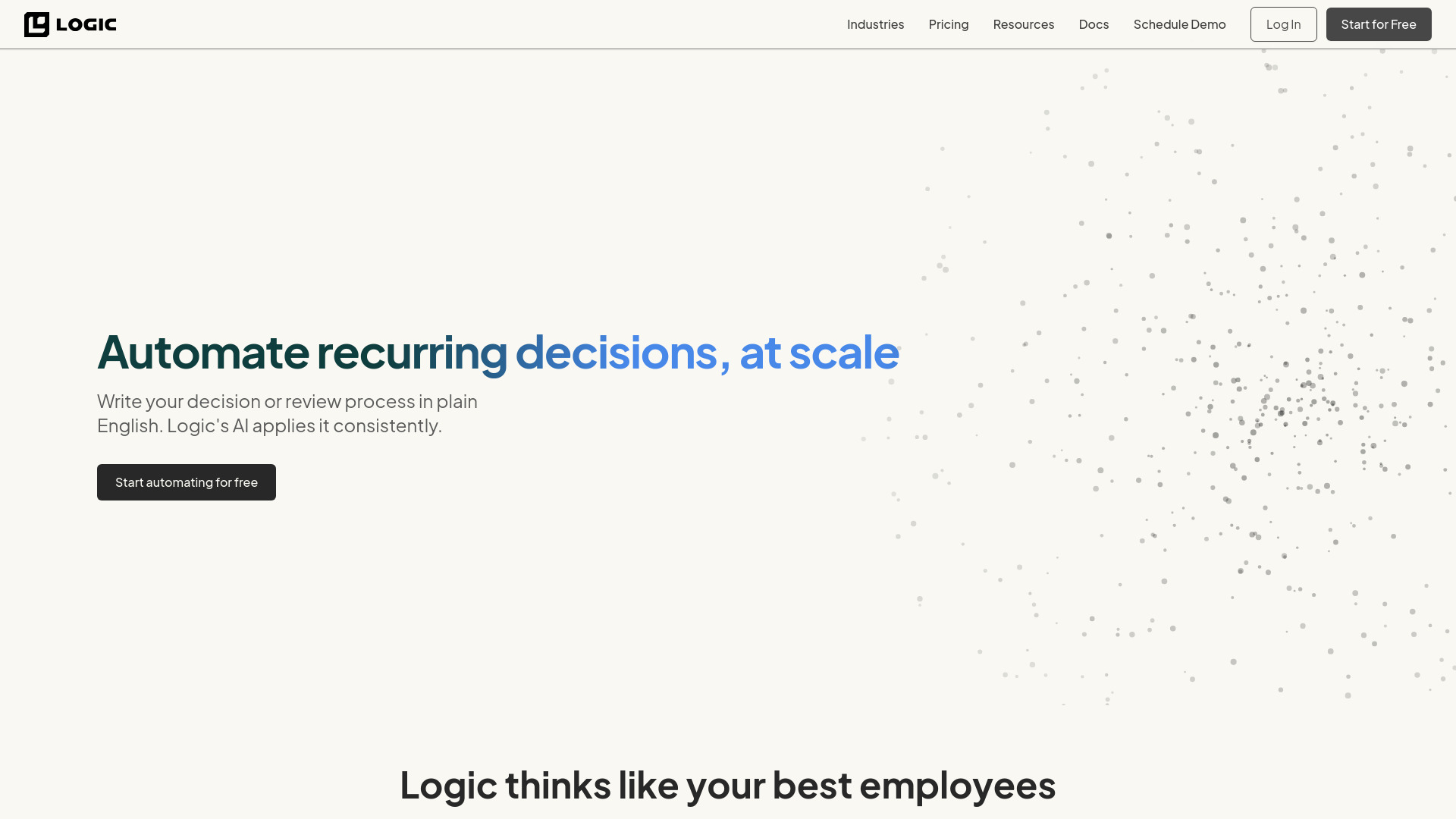
- Recurring decision automation
- Free trial available
- Starts at $20/user/month
- Monthly visits: 23,335 monthly visits

- AI skills certification
- Free plan available
- Starts at Check vendor pricing
- Monthly visits: 25,418 monthly visits

- Open-source video generation
- Free plan available
- Starts at $10/month
- Monthly visits: 13,899 monthly visits

- SMBs automating Meta ad campaigns
- Free 7-day trial
- Starts at $59/month
- Monthly visits: 11,918 monthly visits

- Researchers lowering plagiarism and AI-detection rates
- 500 free credits
- Starts at From ¥19.99
- Monthly visits: 8,155 monthly visits


- Game and robotics simulation
- 6 free world-builder credits
- Starts at $9.90/month
- Monthly visits: 1,684 monthly visits

- One-click photo-to-video animation
- 10 free images/day
- Starts at Check vendor pricing
- Monthly visits: 11,181 monthly visits


- Anime story and motion-comic creators
- 10 one-time welcome credits
- Starts at From $9.92/month
- Monthly visits: 1,504 monthly visits


- Multi-model coding and reasoning
- 50 fast messages/day
- Starts at $20/month
- Monthly visits: 2,983 monthly visits

- Multi-modal AI video creation
- 50 free credits included
- Starts at $9.90/month
- Monthly visits: 2,752 monthly visits

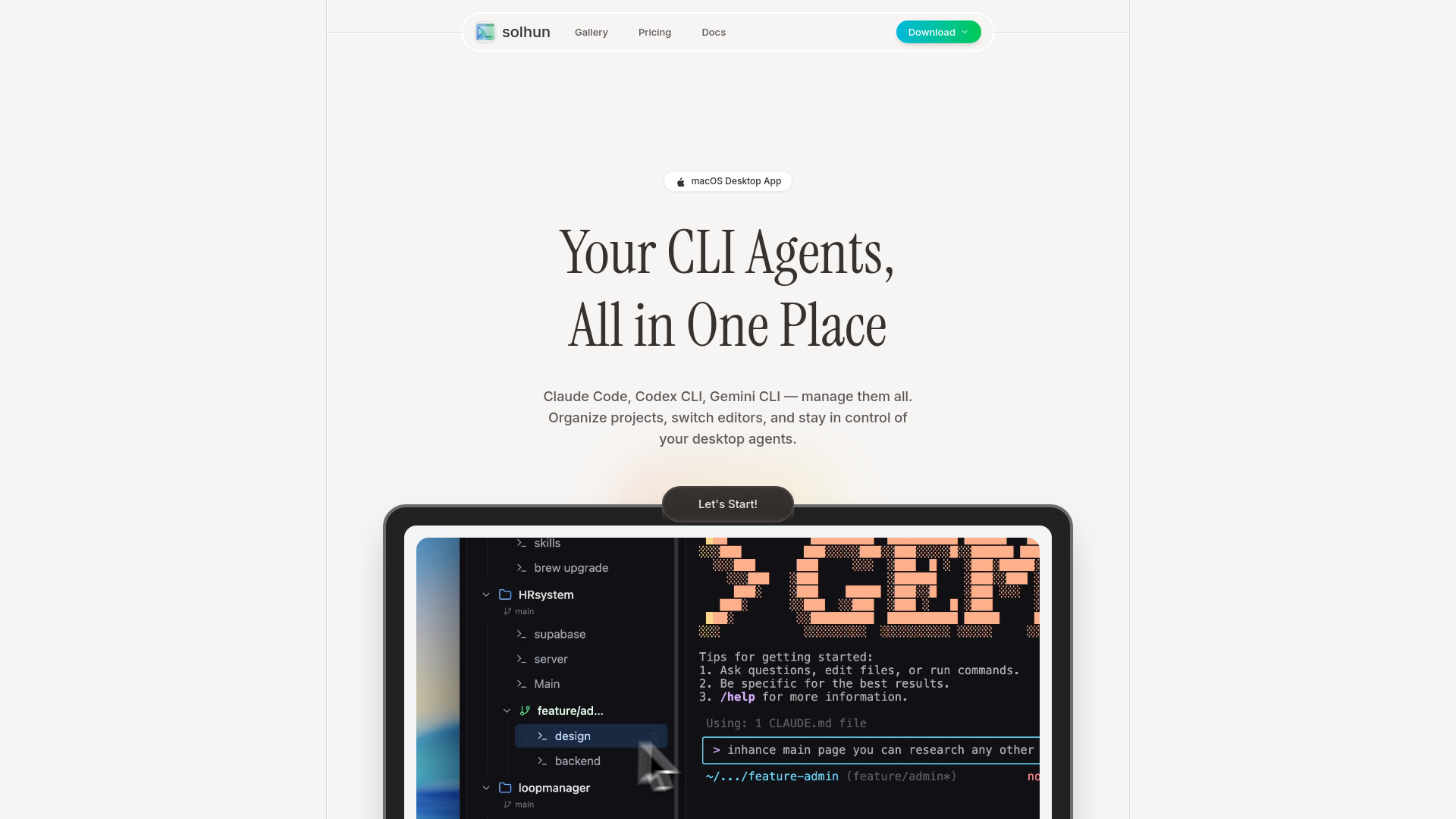
- Managing multiple CLI agents
- Free plan available
- Starts at From $4.99/month

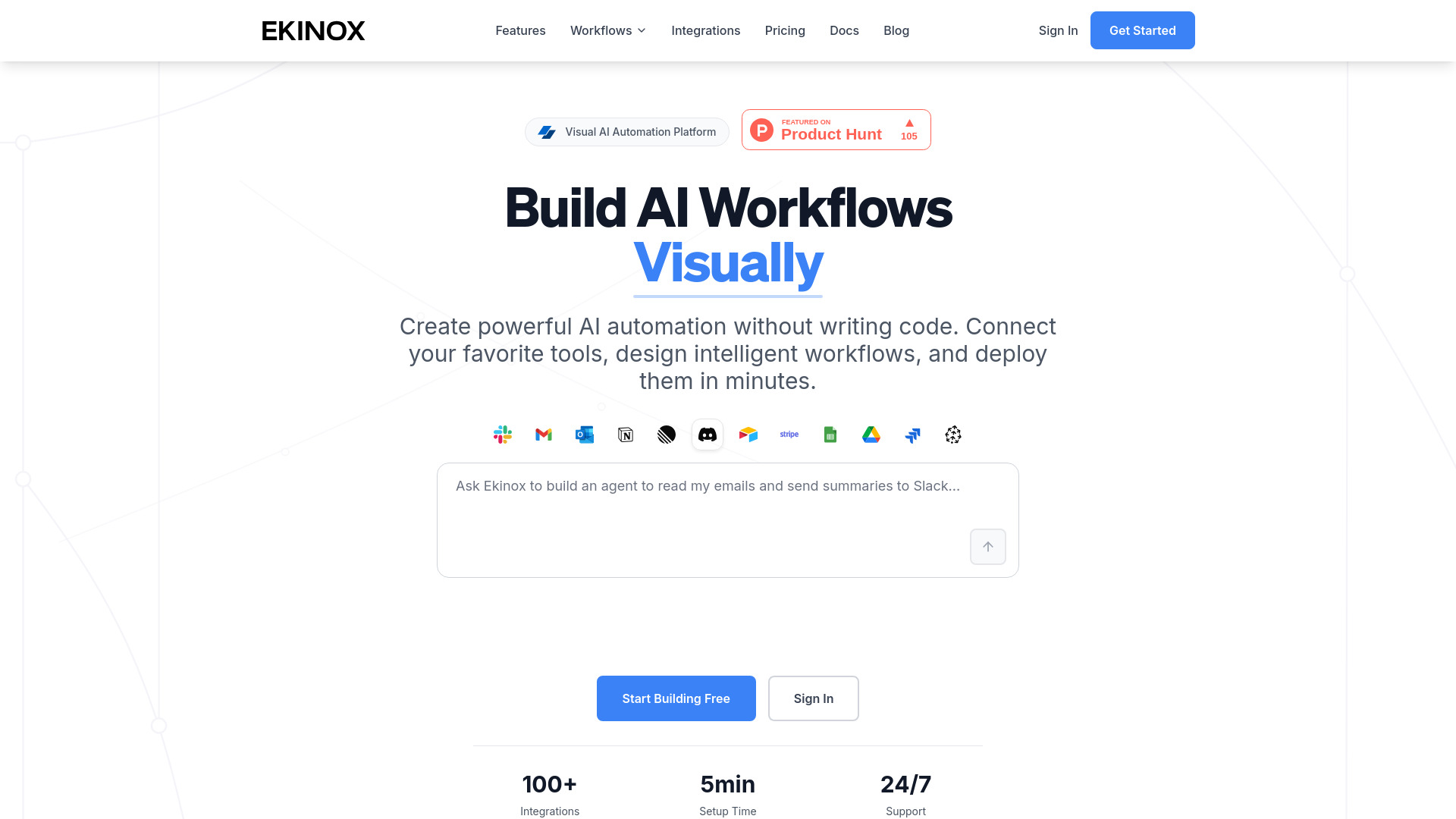
- No-code AI workflow automation
- $5 AI credits
- Starts at $30/month

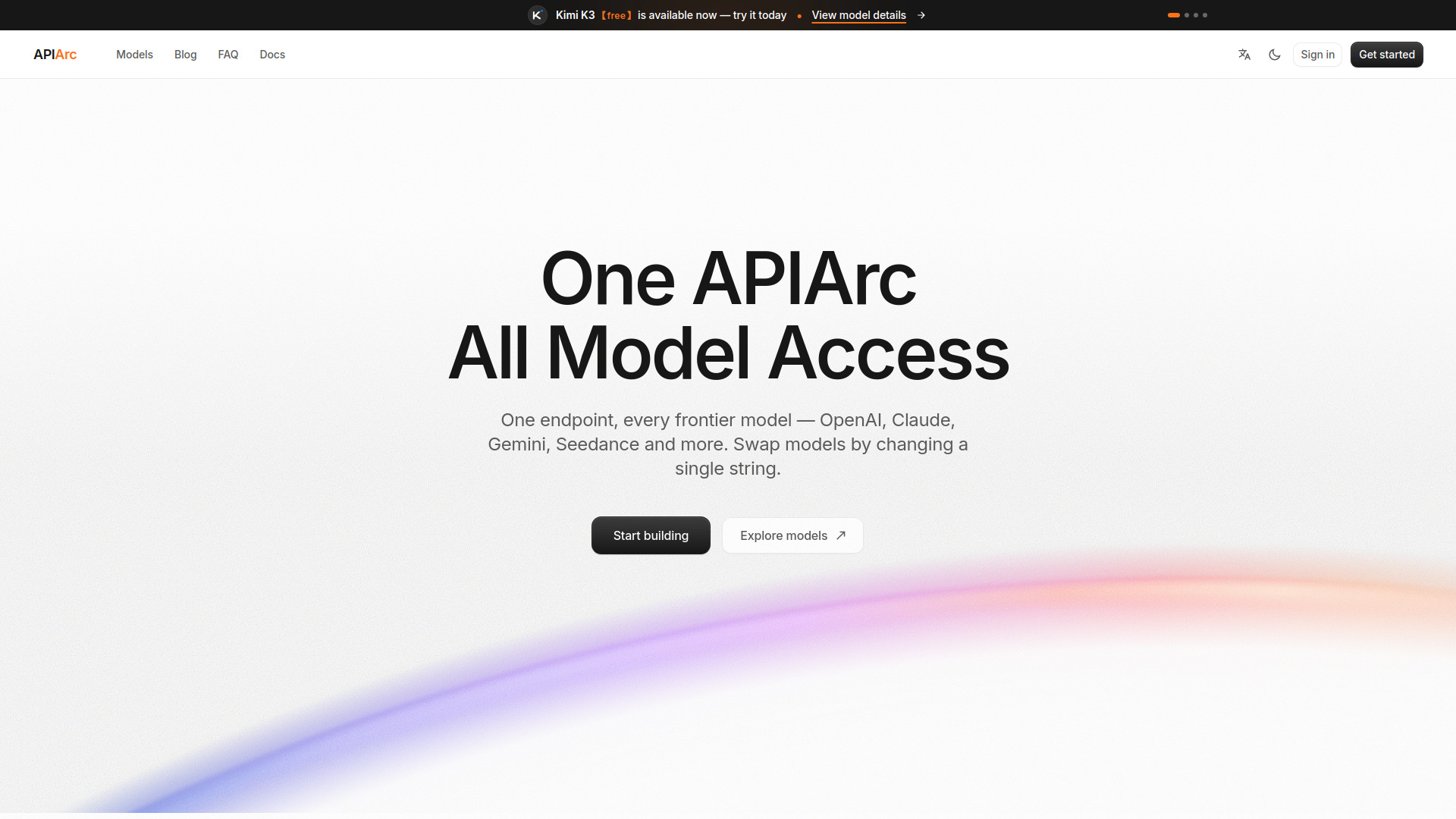
- Developers routing multiple AI models through one API
- Starts at Check vendor pricing

- AI music video creation
- 1,250 free credits
- Starts at $9.99/month


- Consistent AI influencer creation
- 1 free 5-second Fast Video
- Starts at Check vendor pricing


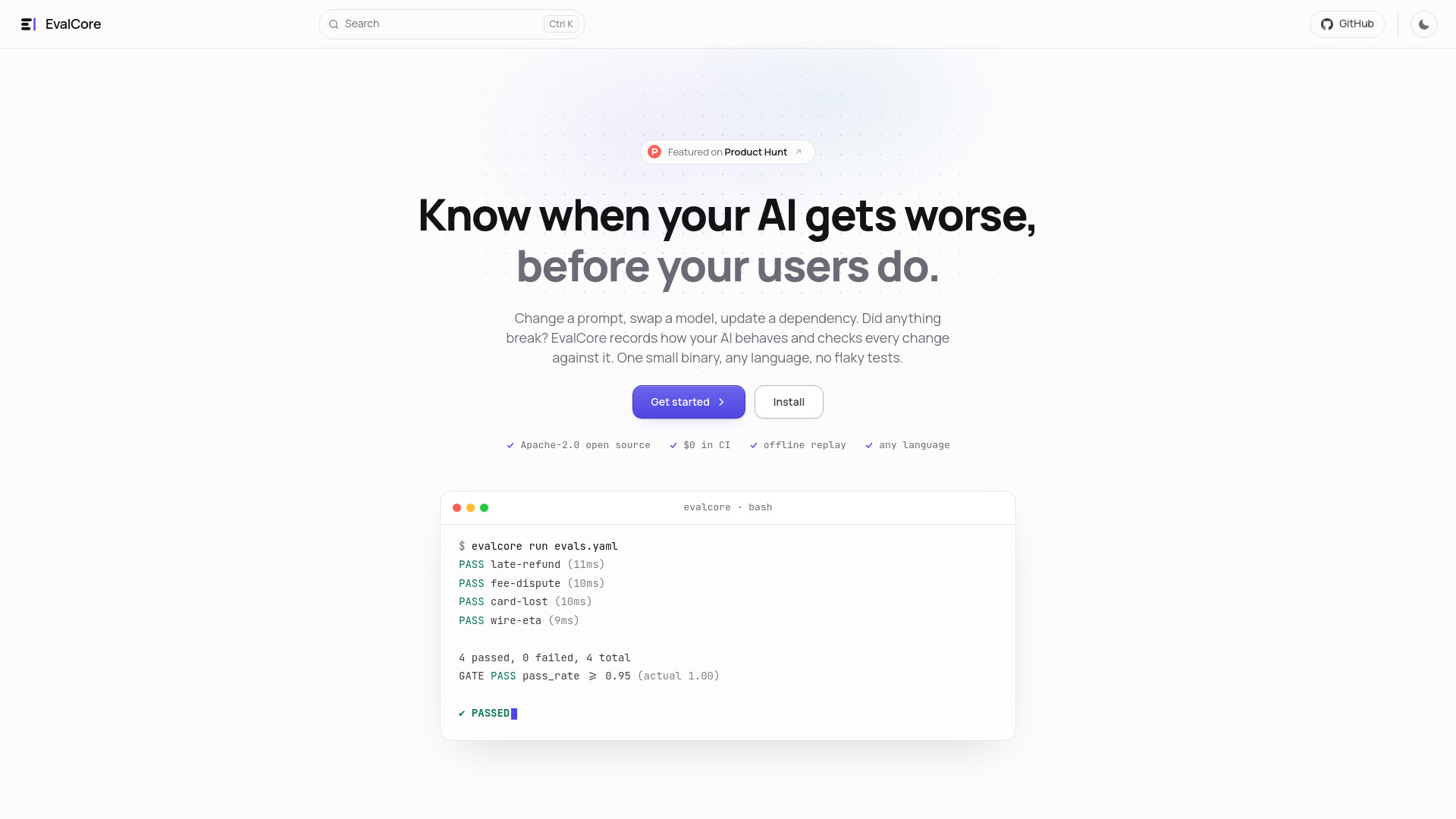
- LLM app and agent regression testing
- Free plan available
- Starts at Check vendor pricing

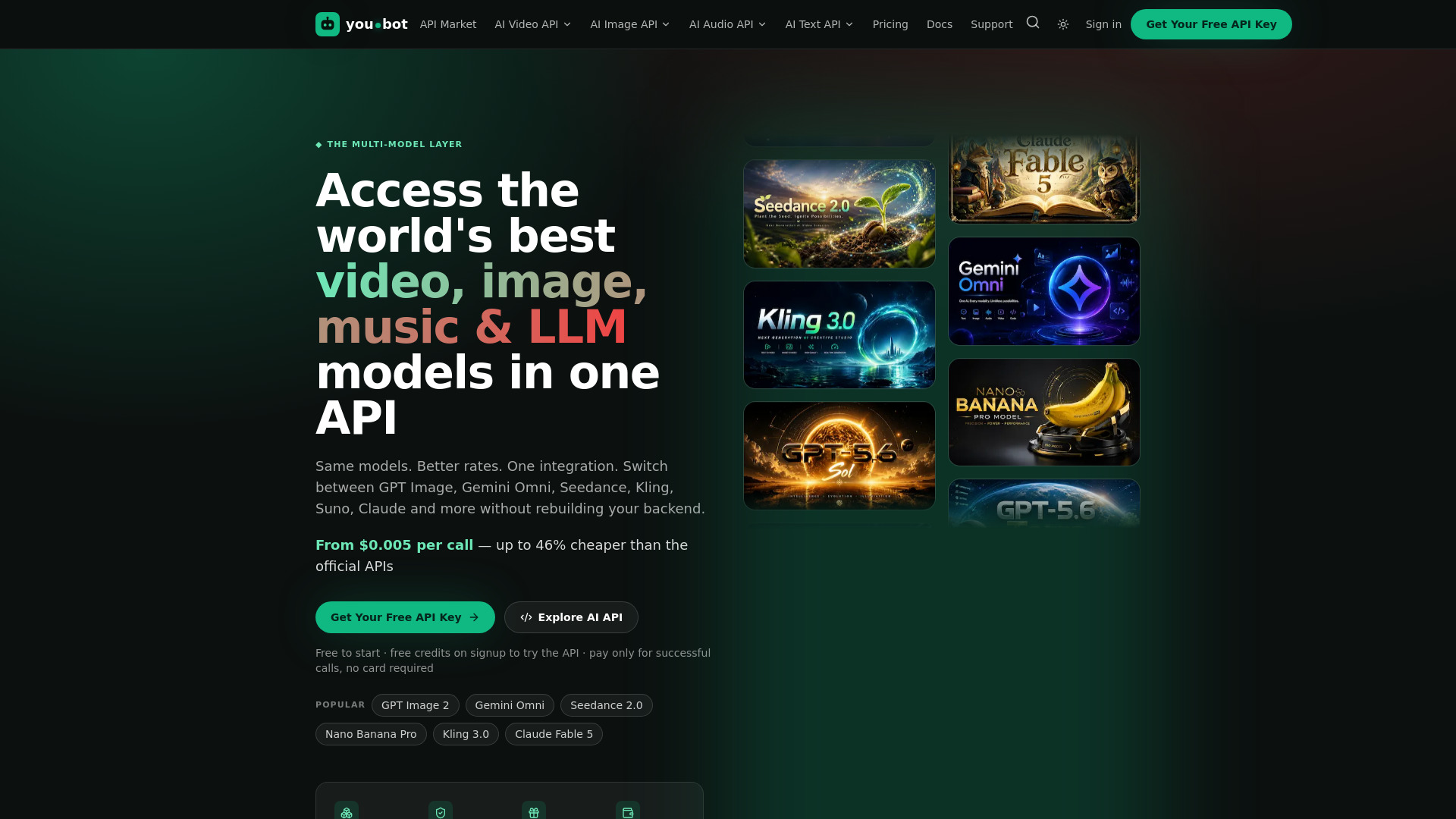
- Multi-model API integration
- Free trial available
- Starts at From $0.005 per call

- AI video and image creation
- Starts at $19/month


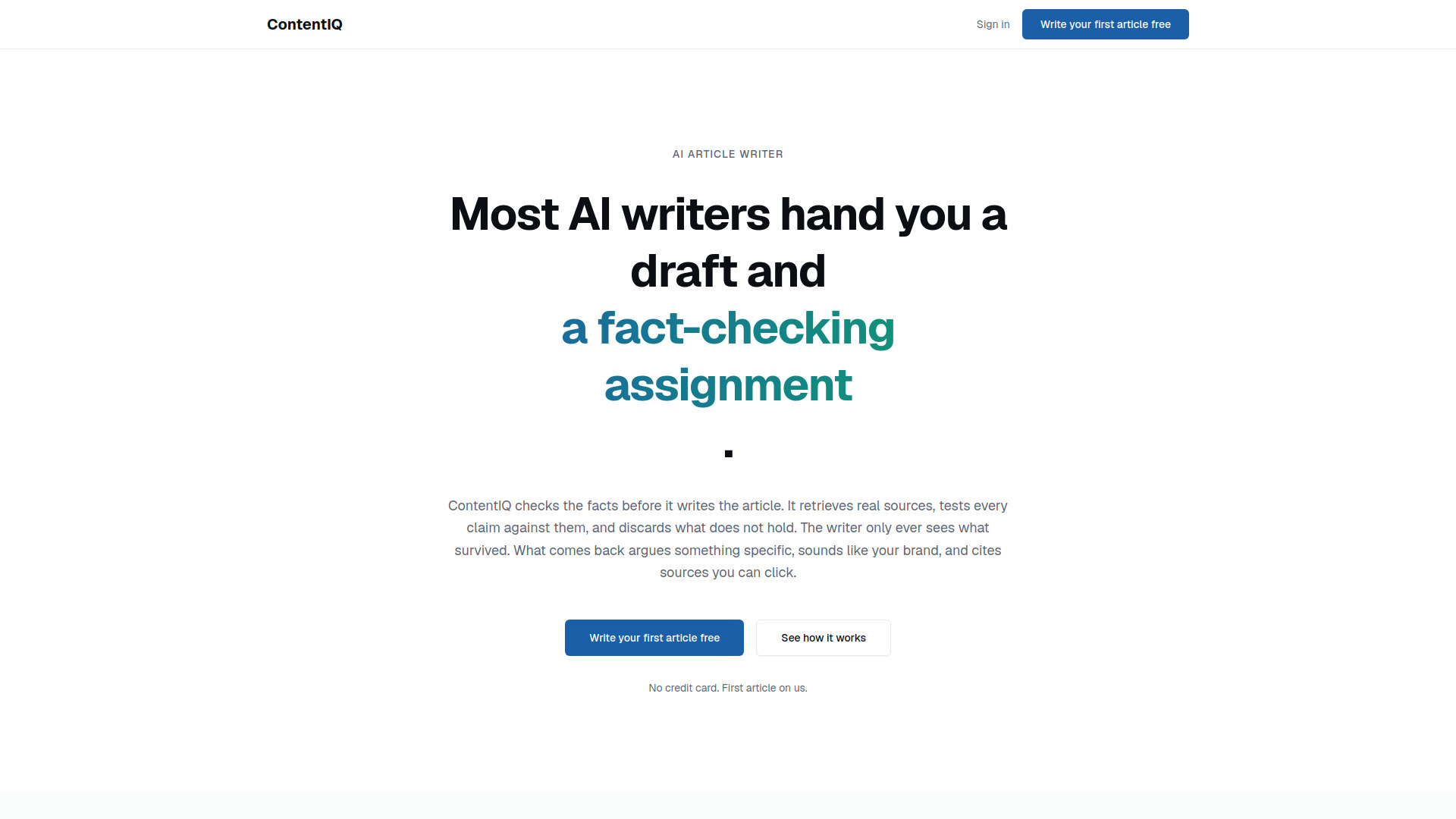
- Fact-checked brand content
- 1 free article
- Starts at $39/month

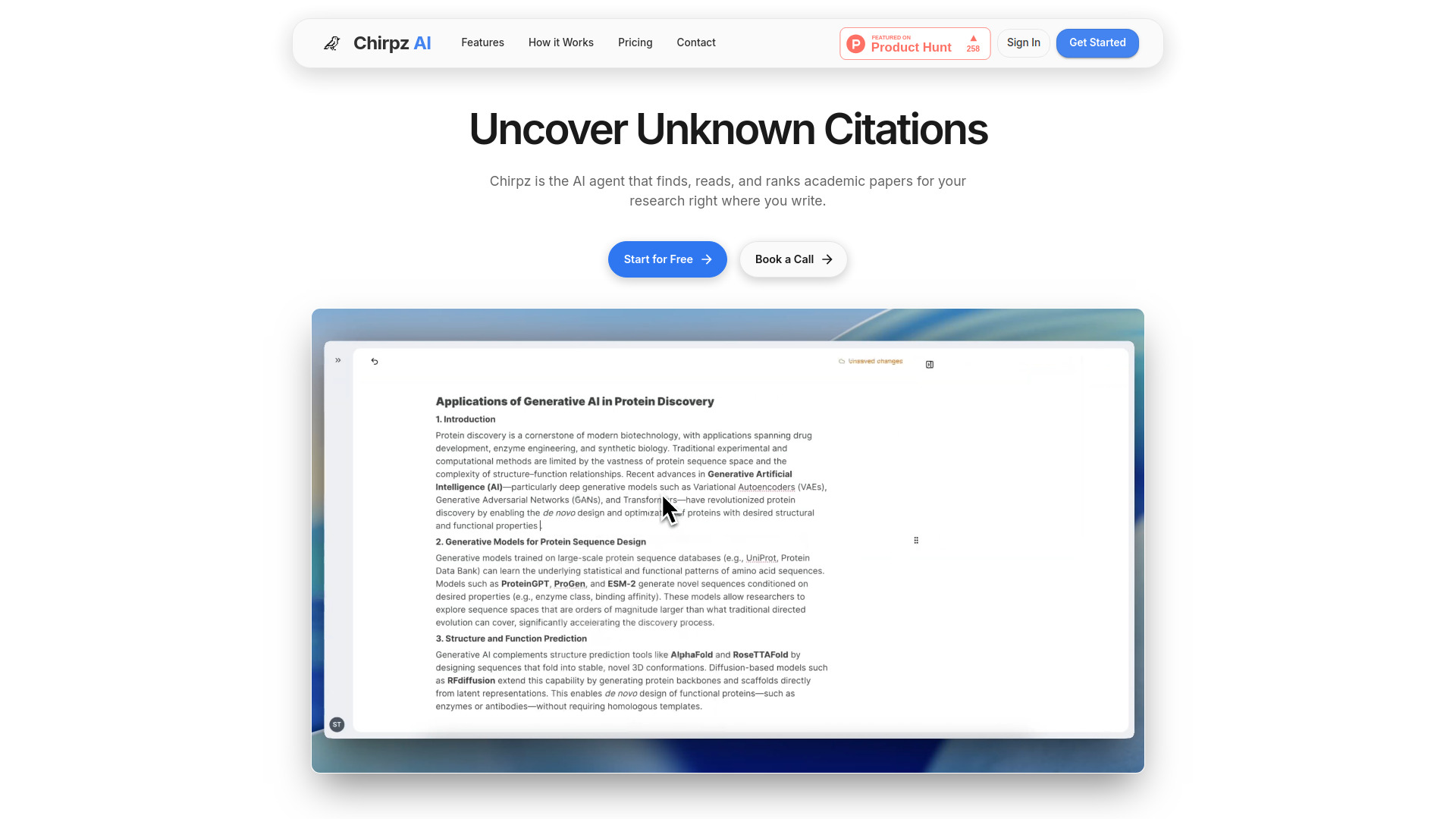
- Academic citation discovery
- 200 credits/month
- Starts at $9/month

- Multimodal image and video creators
- Free trial available
- Starts at $13.9/month


- Native 2K AI video generation
- 40 free credits
- Starts at From $5.83/month

- AI image and video creators
- 20 free credits
- Starts at $16.58/month
Which AI coding agent should you try first?
For a conventional developer workflow, start with oMLX if you use Apple Silicon and want local inference, or Jcode if an open-source terminal agent better matches your habits. Sim is the more compelling first experiment for teams building connected agent workflows. The remaining entries are useful adjacent alternatives: VibeBot.gg for Discord automation, aiOS for text-led business tasks, and Lily for no-setup agent access.
Do not let the shared scores flatten the differences. A 90/100 creative platform is not interchangeable with a 90/100 terminal agent. The best choice depends on where the work happens, how much setup you tolerate, and whether you need code editing, API access, automation, or content production.
What to test before choosing
Run the same small, representative task through your shortlist. For coding tools, use a real but noncritical repository and check context handling, file changes, error recovery, and whether the agent can work within your preferred terminal or API setup. For workflow tools, test one complete path from trigger to output and record every manual handoff.
Also verify the limits that are easiest to overlook: oMLX's hardware requirement, Jcode's hosted-inference billing, Sim's credit model, VibeBot.gg's trial structure, Lily's download requirement, and AI Inspo's weekly free limits. Live pricing and quotas can change, so confirm them with each vendor before committing.
Common mistakes when choosing an AI coding agent
Treating every AI agent as a coding tool. Some products here analyze writing, generate Discord bots, automate business tasks, or edit images. Match the product to the actual job.
Ignoring the execution environment. A terminal agent, local Mac server, downloaded desktop app, and browser workflow create very different day-to-day experiences.
Comparing free access by label alone. Five lifetime messages, 1,000 monthly credits, a three-day trial, and a limited token preview are not equivalent.
Overlooking API and integration fit. Compatibility with OpenAI- or Anthropic-style APIs, GitHub, Jira, Linear, or messaging channels may matter more than a higher headline score.
Assuming scores predict your repository experience. Test the tool on your language, framework, codebase size, and review process before adopting it.
Skipping governance for less-restricted models. Sensitive security work needs clear authorization, logging, and internal policies regardless of the provider.
FAQ
oMLX is the top-ranked match for software developers who use Apple Silicon and macOS 15 or later. Its standout capabilities are paged SSD KV caching, continuous batching, and OpenAI- and Anthropic-compatible APIs. Jcode is the stronger alternative for developers who prioritize open-source terminal workflows and durable project memory.