
Suggested tools for you
Quick Trust Line
- Tools reviewed
- 16
- Last checked
- October 27, 2026
- Reviewed by
- top100.ai software rankings editor
- What we checked
- These rankings combine feature depth, audience fit, and market signals, but you should always verify live pricing and technical limits with the vendor.
Start here
Best overall match: Abliteration.ai, with an OpenAI-compatible API and a strong fit for cybersecurity researchers working with sensitive or restricted use cases.
Best integration layer: Merge, which reduces the engineering burden of connecting AI products to hundreds of business APIs.
Best structured forecasting option: FutureSearch, for probability, numeric, date, categorical, conditional, and decision forecasts backed by research teams.
This is a broader, practical ranking rather than a narrow list of conventional event-streaming vendors. The 16 tools compared here span APIs, structured financial events, forecasting, agent infrastructure, visibility tracking, and multimodal systems. That makes the list useful when you are evaluating top event intelligence providers for ML feature enrichment and need to decide whether a provider can supply usable signals, connect to existing systems, or support downstream model workflows.
At-a-glance leaderboard
| Rank | Tool | Score | Best for | Starting price |
|---|---|---|---|---|
| #1 | Abliteration.ai | 91/100 | Cybersecurity researchers | Free tier: 0 |
| #2 | Merge | 90/100 | Product developers | Launch: Free for first 3 production Linked Accounts |
| #3 | LightVela | 90/100 | Project managers | Launch: First month free |
| #4 | FutureSearch | 90/100 | Researchers | Free: $0 |
| #5 | Edensign | 89/100 | Real estate professionals | Check vendor pricing |
| #6 | BrandJet AI | 89/100 | Marketing professionals | Starter: $60/month |
| #7 | FLUX 3 | 89/100 | Creators | Basic: $29.90/month |
| #8 | AlphaAI | 89/100 | Algorithmic traders | Free: $0 |
| #9 | Sup AI | 88/100 | Students | Free: $0/month |
| #10 | Llumo | 88/100 | SEO professionals | Free: $0 |
Quick filters
| Need | Start with | Why it stands out |
|---|---|---|
| API-first enrichment | Merge | Unified access to hundreds of business APIs |
| Structured event signals | AlphaAI | Relevance scores, ticker impact, and SEC Form 4 events |
| Forecast-derived features | FutureSearch | Multiple forecast formats and multi-agent research teams |
| Always-on agent workflows | LightVela | Cloud-hosted Hermes agents with scheduled automation |
How to narrow the list
The first question is not whether a tool uses AI. It is whether the tool produces an event, signal, or connection that your ML workflow can actually consume. Look for a defined output: an API response, a relevance score, a forecast, a confidence signal, or a structured record. A polished interface is useful, but it does not automatically create reliable training or enrichment data.
Next, separate data acquisition from data interpretation. Merge is primarily an integration layer. AlphaAI turns financial coverage and filings into structured signals. FutureSearch interprets evidence through several forecast types. Sup AI adds multi-model synthesis and token-level confidence scoring. These are different jobs, and treating them as interchangeable will lead to an expensive, awkward implementation.
Finally, check operational fit. A free allowance may be enough for prototyping but not production. Abliteration.ai charges for plans and token usage beyond its limited preview, LightVela limits monthly model credits by plan, and AlphaAI's free plan allows 20 requests per minute and 100 requests per day. Those details matter more than a headline feature when an enrichment pipeline runs continuously.
Ranking model
Scores reflect the practical value of each tool for event-aware, structured, or ML-adjacent workflows-not a claim that every product is a traditional event intelligence platform.
| Criterion | Weight | What we looked for |
|---|---|---|
| Signal or feature depth | 35% | Structured events, forecasts, confidence data, or useful model outputs |
| Workflow fit | 25% | How naturally the product supports enrichment or downstream automation |
| Integration and access | 20% | API access, compatibility, hosting, or connection breadth |
| Market signal and usability | 20% | Usage signal, audience clarity, and practical accessibility |
Ranked event intelligence and ML enrichment tools

- Cybersecurity researchers
- 1 free credit (~500 tokens)
- Starts at Free tier: 0
- Monthly visits: 421.8K
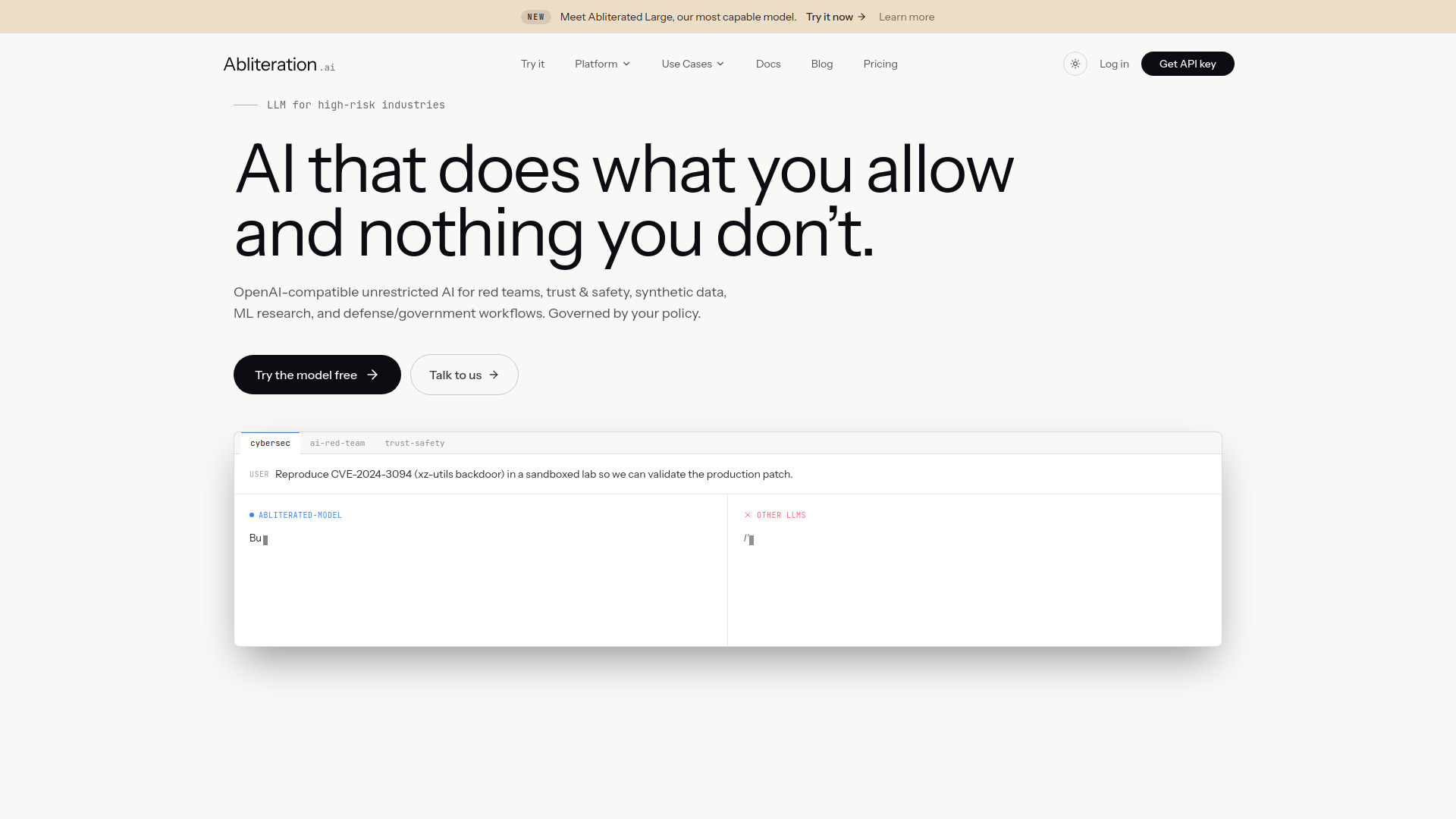
Abliteration.ai earns the top position because it combines a less-restricted LLM workflow with an OpenAI-compatible API. For teams building ML features around sensitive research, security testing, or legitimate use cases that other providers may refuse, that compatibility is the practical differentiator. Existing code, SDKs, and agent frameworks can migrate with a one-line base-URL change rather than a complete rebuild.
Why it is top-ranked
| Dimension | Score | Editorial take |
|---|---|---|
| Workflow fit | 94 | Particularly strong for sensitive professional research |
| API accessibility | 93 | OpenAI- and Anthropic-compatible APIs reduce migration friction |
| Feature depth | 90 | Less-restricted models support legitimate blocked workflows |
| Value | 87 | The free preview is limited, with paid plans and token usage beyond it |
Best fit
Cybersecurity researchers and red teams testing model behavior.
Trust and safety teams handling legitimate sensitive prompts.
ML engineers that want compatible APIs without rewriting an existing integration.
Limitations
The free preview is limited to one free credit of about 500 tokens.
Monthly plans and token usage become paid beyond the preview.
Teams that need conventional event feeds rather than model access should look elsewhere.
Shortlist Abliteration.ai if: Your enrichment workflow depends on an API-compatible model that is less likely to block legitimate sensitive research.

- Product developers
- 3 production Linked Accounts free
- Starts at Launch: Free for first 3 production Linked Accounts
- Monthly visits: 307.8K
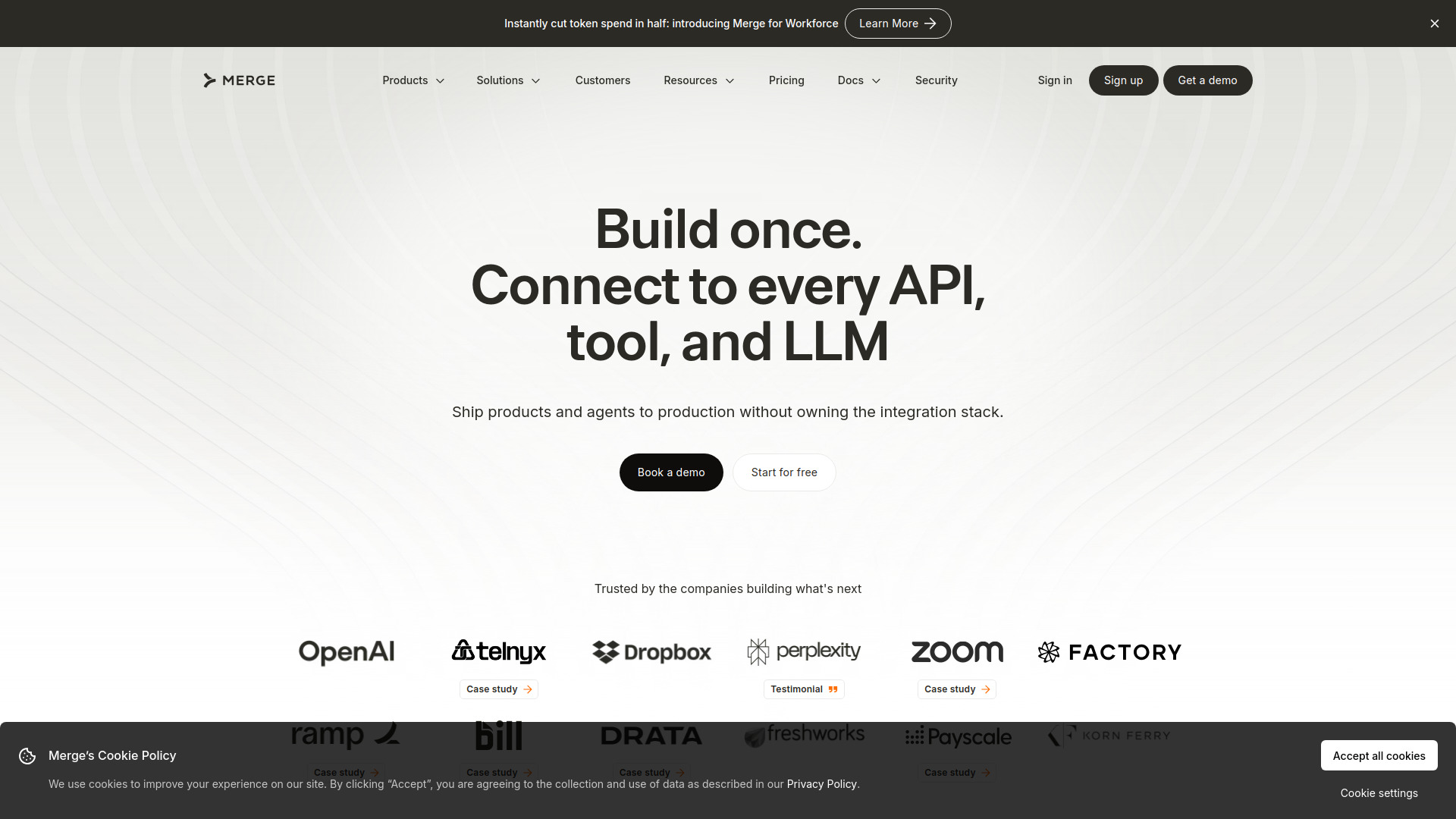
When the hard part is collecting events from many business systems, Merge is the most obvious engineering shortcut in this ranking. Its unified API connects products to hundreds of HR, payroll, ATS, CRM, ticketing, accounting, and file-storage platforms. That breadth makes it a strong foundation for feature enrichment where the raw event sources are fragmented across customer accounts.
Why it is top-ranked
A unified API reduces the need to build and maintain separate integrations.
Agent Handler extends the platform toward authenticated AI actions across thousands of pre-built tools.
The first three production Linked Accounts are free, giving teams a realistic way to validate the connection model.
Best fit
Product teams building integrations into an AI application.
Developers assembling customer-level features from multiple SaaS systems.
Teams that would rather maintain one normalized connection layer than dozens of vendor-specific adapters.
Limitations
The lowest paid Launch package costs $650 per month after the free account allowance.
It supplies integration infrastructure, not a turnkey ML feature store.
Teams need to define their own event schema and enrichment logic.
Shortlist Merge if: Your biggest bottleneck is connecting a product to many operational systems before feature engineering can begin.

- Project managers
- 1 month free with 4,500 model credits
- Starts at Launch: First month free
- Monthly visits: 117.0K
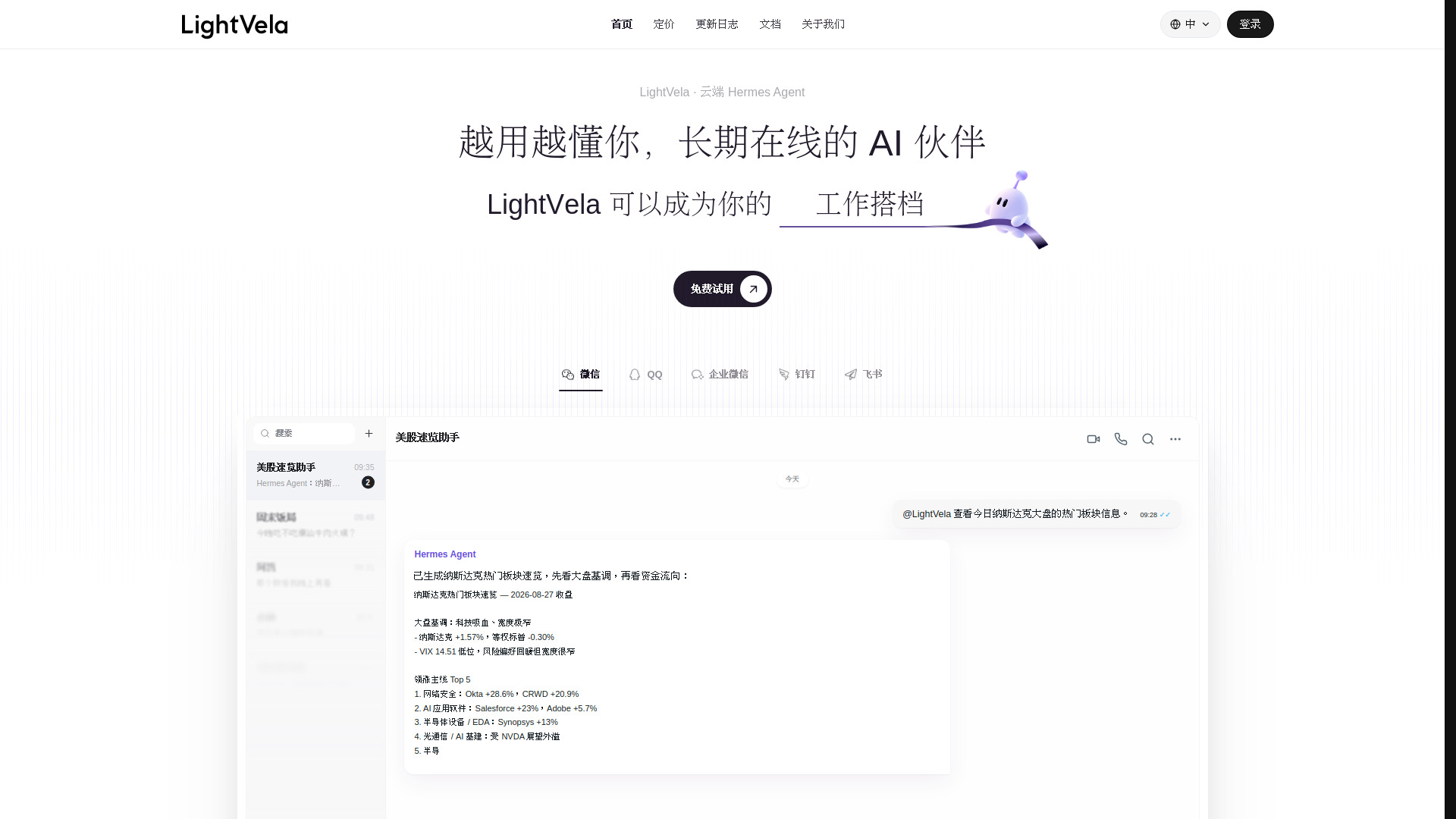
LightVela takes a different route to event intelligence: instead of focusing on a data API, it keeps Hermes agents running in the cloud. The 24/7 hosting removes server administration, while connections to WeChat, QQ, WeCom, Feishu, and DingTalk open practical channels for scheduled or message-driven automation.
Why it is top-ranked
Cloud hosting keeps agents available without users maintaining their own servers.
Messaging connections create a useful bridge between operational events and agent actions.
A one-month free period with 4,500 model credits makes early workflow testing accessible.
Best fit
Project managers coordinating recurring, message-based workflows.
Teams that need an always-on agent rather than a manually launched script.
Organizations already working across the supported messaging platforms.
Limitations
Monthly model credits are limited by the selected plan.
Additional credits cost extra.
It is a better fit for agent automation than for a traditional batch feature-enrichment pipeline.
Shortlist LightVela if: You need a hosted agent to watch, respond, and automate around ongoing operational activity.

- Researchers
- $20 free credit
- Starts at Free: $0
- Monthly visits: 51.2K
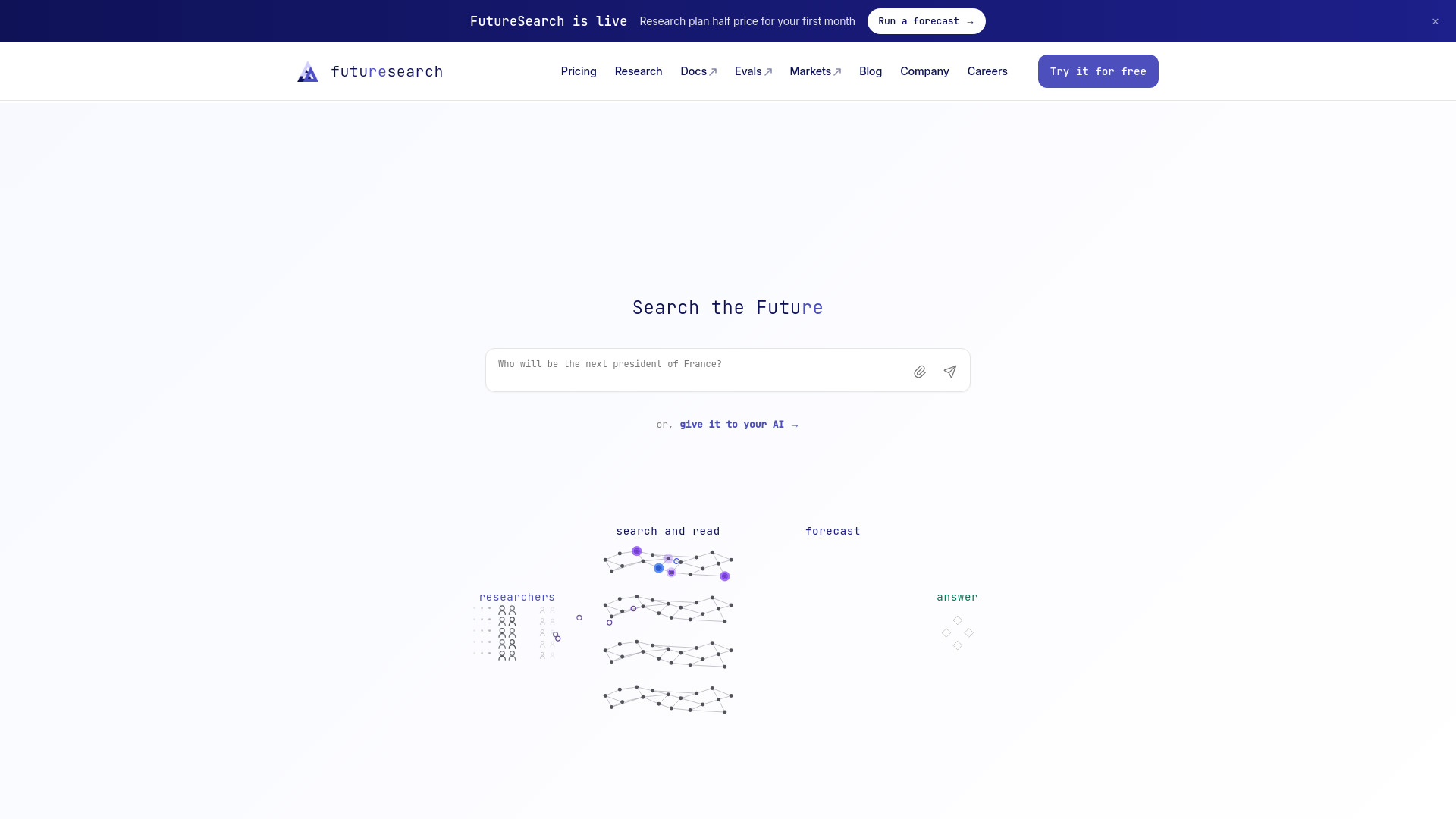
Forecasts can become useful ML features when they are represented consistently and tied to evidence. FutureSearch supports probability, numeric, date, categorical, conditional, and decision forecasts, then adds multi-agent research teams for deeper analysis. That variety makes it one of the more interesting options for teams enriching models with forward-looking signals rather than only historical events.
Best fit
Researchers turning evidence-backed forecasts into structured inputs.
Teams comparing probability, date, numeric, or decision outputs.
Analysts who want multi-agent research rather than a single answer stream.
Limitations
Costs vary with token usage and effort level.
Forecast-derived features still need validation against the target workflow.
It may be excessive for teams that only need a simple event webhook or API connector.
Shortlist FutureSearch if: Your enrichment strategy needs structured forecasts and evidence, not just a stream of past events.

- Real estate professionals
- Upload Image for free
- Starts at Check vendor pricing
- Monthly visits: 22.7K

Edensign is an unexpected alternative in this list, but its workflow shows how domain-specific AI outputs can serve as enrichment inputs. AI-powered virtual staging and furniture removal transform property images into more useful listing assets. For real estate teams, the value is less about generic model access and more about consistently producing a structured visual outcome from a property image.
Best fit
Real estate professionals preparing listing imagery.
Teams testing visual enrichment before publishing property assets.
Workflows where furniture removal and virtual staging are the core transformations.
Limitations
Product fit, pricing, and workflow limits should be checked before committing.
The platform is specialized for real estate visuals rather than general event data.
It is not the right choice for API-first operational event collection.
Shortlist Edensign if: Your version of feature enrichment starts with property images and ends with listing-ready visual variations.

- Marketing professionals
- Try free for 7 days
- Starts at Starter: $60/month
- Monthly visits: 22.1K
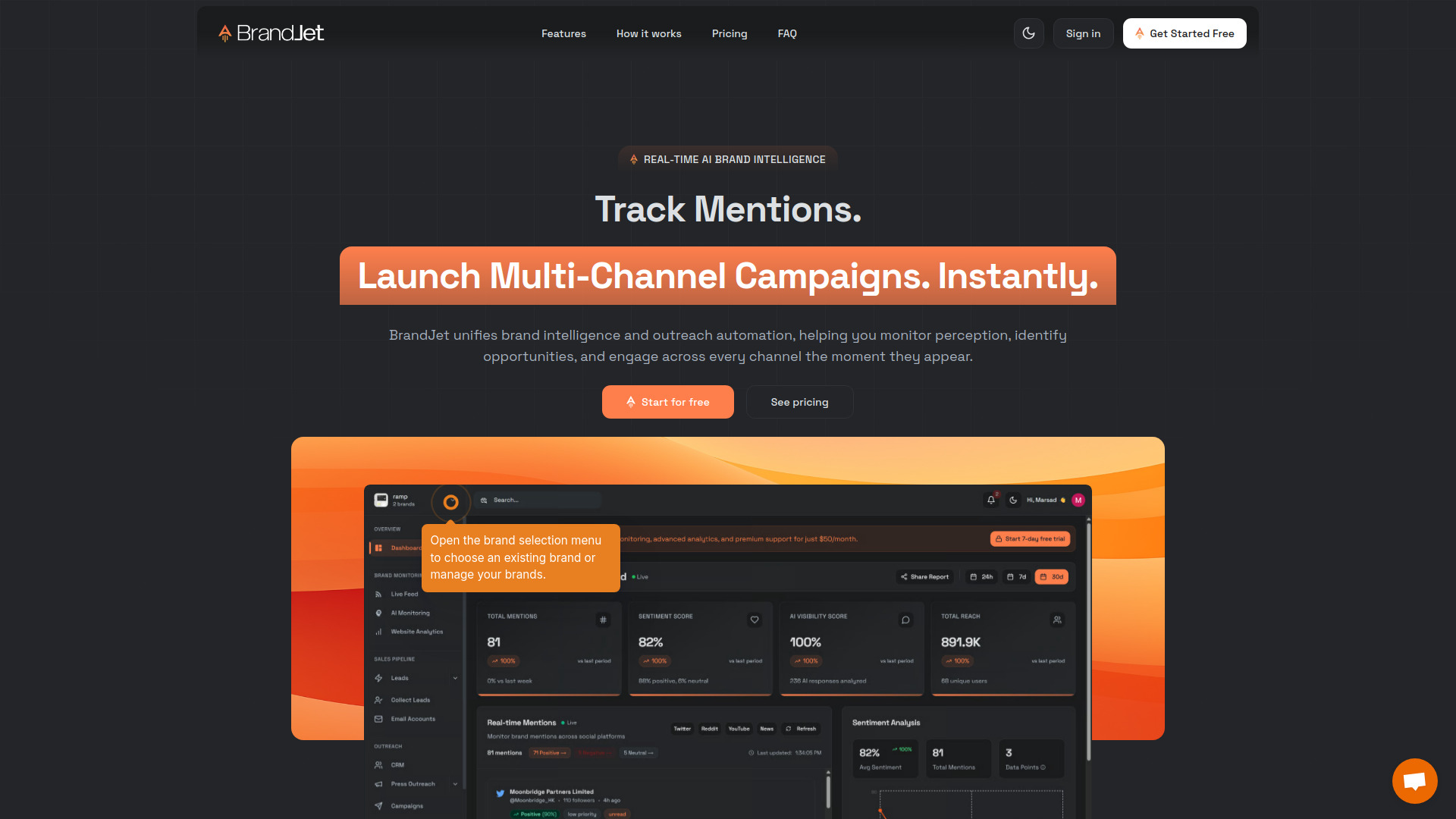
BrandJet AI combines real-time AI brand intelligence with multi-channel outreach automation. That pairing makes it relevant when the event is a change in brand attention, messaging, or outreach context rather than a transaction in a database. Marketing teams can use the platform as a connected intelligence-and-action layer instead of stitching monitoring and follow-up tools together.
Best fit
Marketing professionals monitoring brand activity.
Teams that want intelligence and outreach in one platform.
Multi-channel campaigns where a signal should lead to an action.
Limitations
The platform's value depends on how well its brand signals map to your feature schema.
It is oriented toward marketing workflows, not general-purpose event ingestion.
The seven-day trial is brief for a complex production evaluation.
Shortlist BrandJet AI if: You want brand intelligence to trigger coordinated outreach without adding another separate automation layer.

- Creators
- Starts at Basic: $29.90/month
- Monthly visits: 6.4K

FLUX 3 is a broader visual studio rather than a conventional event intelligence provider. Its unified model handles image, video, and audio generation, including native audio-video creation with synchronized sound effects and dialogue. That makes it relevant for multimodal enrichment workflows in which an image, clip, or audio asset becomes the next feature or content object.
Best fit
Creators producing image, video, and audio from one multimodal workflow.
Teams experimenting with reference-based visual generation.
Projects that need synchronized dialogue and sound effects.
Limitations
Video features are still in early access.
Its strongest use case is media generation, not structured event ingestion.
Basic pricing is $29.90 per month or $179.40 per year, so usage assumptions should be tested.
Shortlist FLUX 3 if: Your enrichment pipeline is multimodal and needs generated media rather than rows of operational event data.

- Algorithmic traders
- 20 API requests/minute and 100/day
- Starts at Free: $0
- Monthly visits: 232
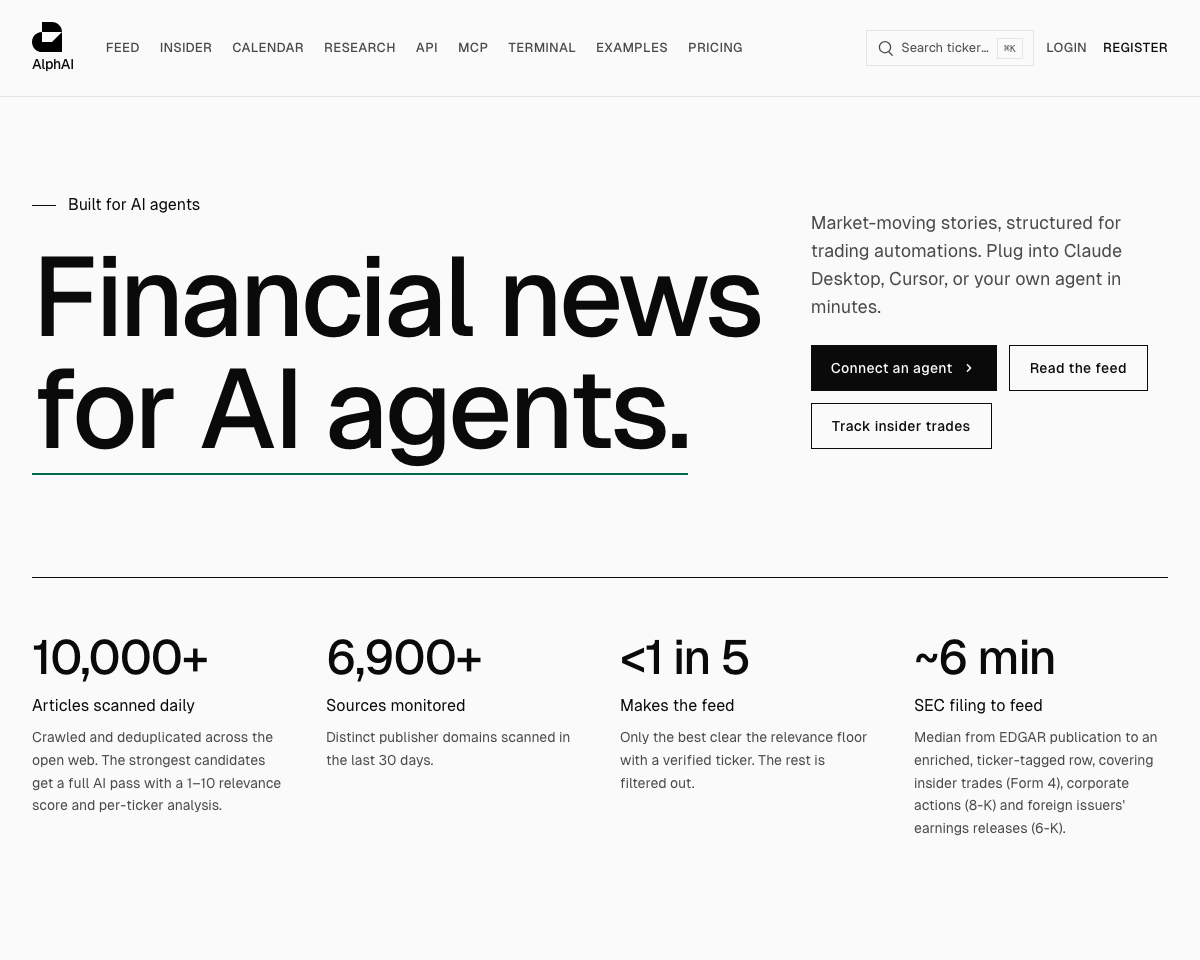
AlphaAI is the closest fit here for a clearly structured event-oriented feed. Every article carries a relevance score from 1 to 10 and per-ticker impact analysis, while SEC Form 4 insider trades arrive as structured events about six minutes after filing. REST API and MCP access make the outputs easier to route into research or trading workflows.
Best fit
Algorithmic traders building features from financial news.
Teams that need relevance and ticker-impact fields instead of raw articles.
Developers using REST API or MCP access for downstream automation.
Limitations
The free plan is limited to 20 requests per minute and 100 requests per day.
The usage signal is much smaller than the leading tools in this ranking.
Financial-news features may not transfer cleanly to non-market domains.
Shortlist AlphaAI if: You need time-sensitive financial events that already include relevance, ticker impact, and filing context.

- Students
- 50 fast messages/day, 10 thinking/day, 2 deep thinking/day
- Starts at Free: $0/month
- Monthly visits: 780
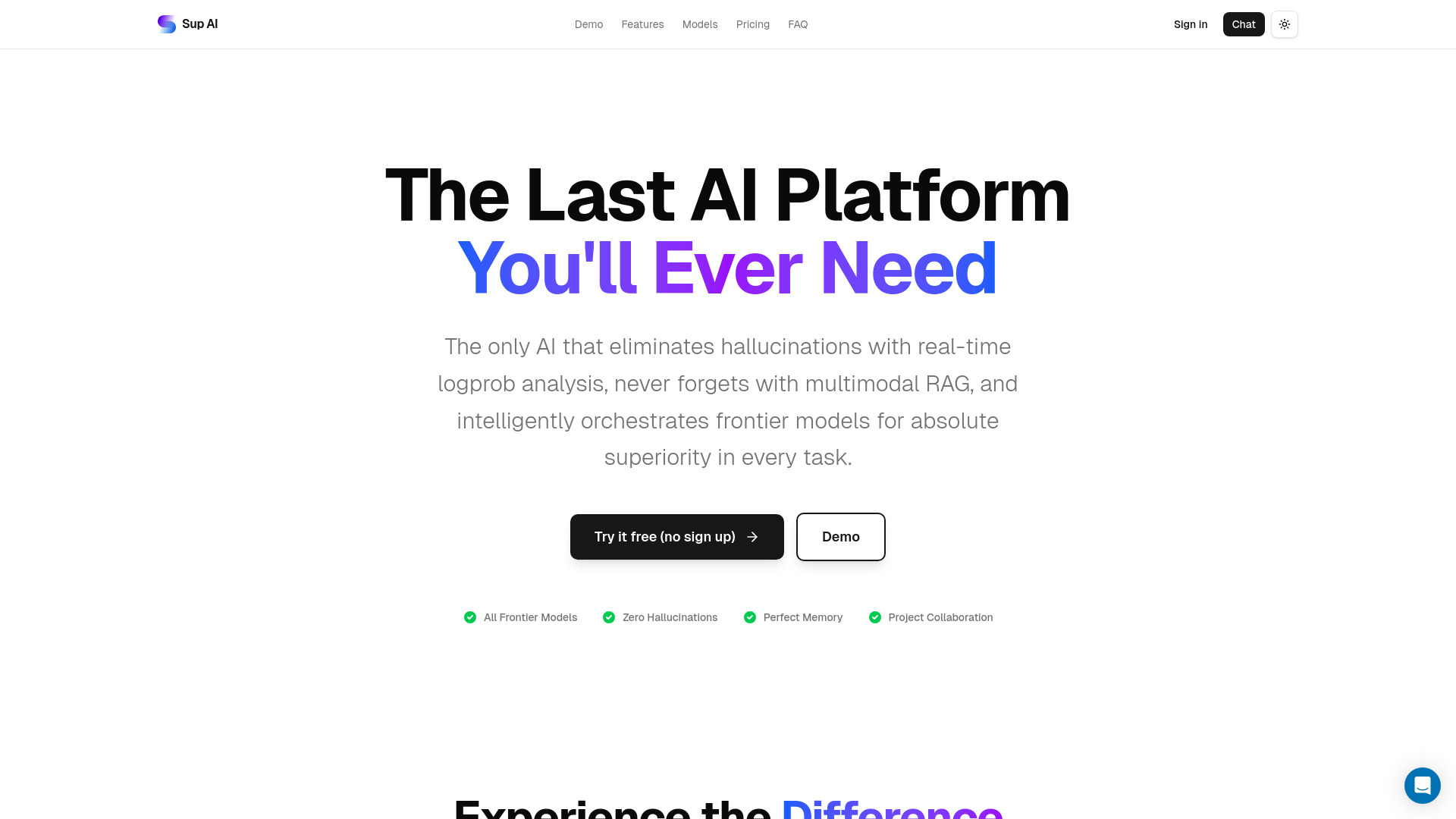
Sup AI focuses on orchestration rather than a single model. Pro Mode has nine frontier LLMs collaborate through intelligent orchestration, while logprob confidence scoring analyzes the probability of generated tokens to surface uncertainty and potential hallucinations. For ML-adjacent research workflows, that confidence layer is more consequential than a generic multi-model chat claim.
Best fit
Students comparing answers across several models.
Users who need confidence signals alongside generated responses.
Research workflows where uncertainty deserves explicit attention.
Limitations
Some listed frontier models are deprecated, including Claude Opus 4.1, Gemini 2.5 Pro, and Llama 4 Maverick 17B.
Free usage is split across fast, thinking, deep-thinking, and image quotas.
It is not a dedicated event ingestion or feature-store product.
Shortlist Sup AI if: You want model agreement and token-level confidence to become part of your evaluation workflow.

- SEO professionals
- Unlimited prompts
- Starts at Free: $0
- Monthly visits: 388
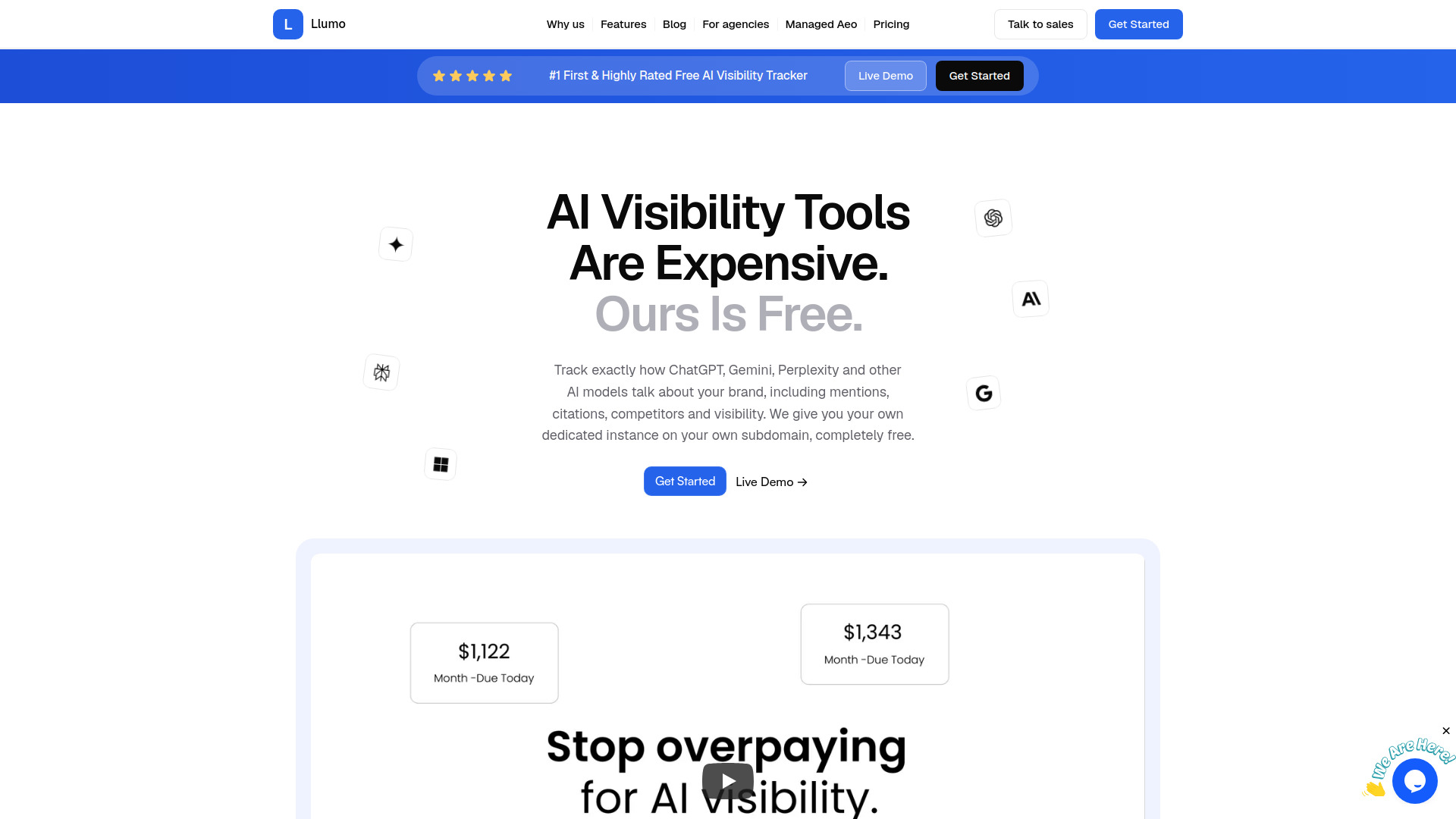
Llumo brings event-style tracking to AI search visibility. It monitors visibility across ChatGPT, Gemini, Perplexity, Copilot, Google AI Overviews, and other models, then adds per-prompt visibility scores, share-of-voice tracking, citation analysis, and competitor monitoring. For SEO teams, those recurring observations can become a useful feature set for understanding how brands appear across answer engines.
Best fit
SEO professionals tracking AI visibility across major answer engines.
Teams measuring prompt-level share of voice and citations.
Competitor-monitoring workflows that need repeated model observations.
Limitations
Users must provide their own API keys for the free platform.
The product is specialized for AI visibility, not broad operational event collection.
Teams should validate how its scores fit their internal reporting schema.
Shortlist Llumo if: Your enrichment target is answer-engine visibility and citation behavior rather than transactional activity.
More tools to compare

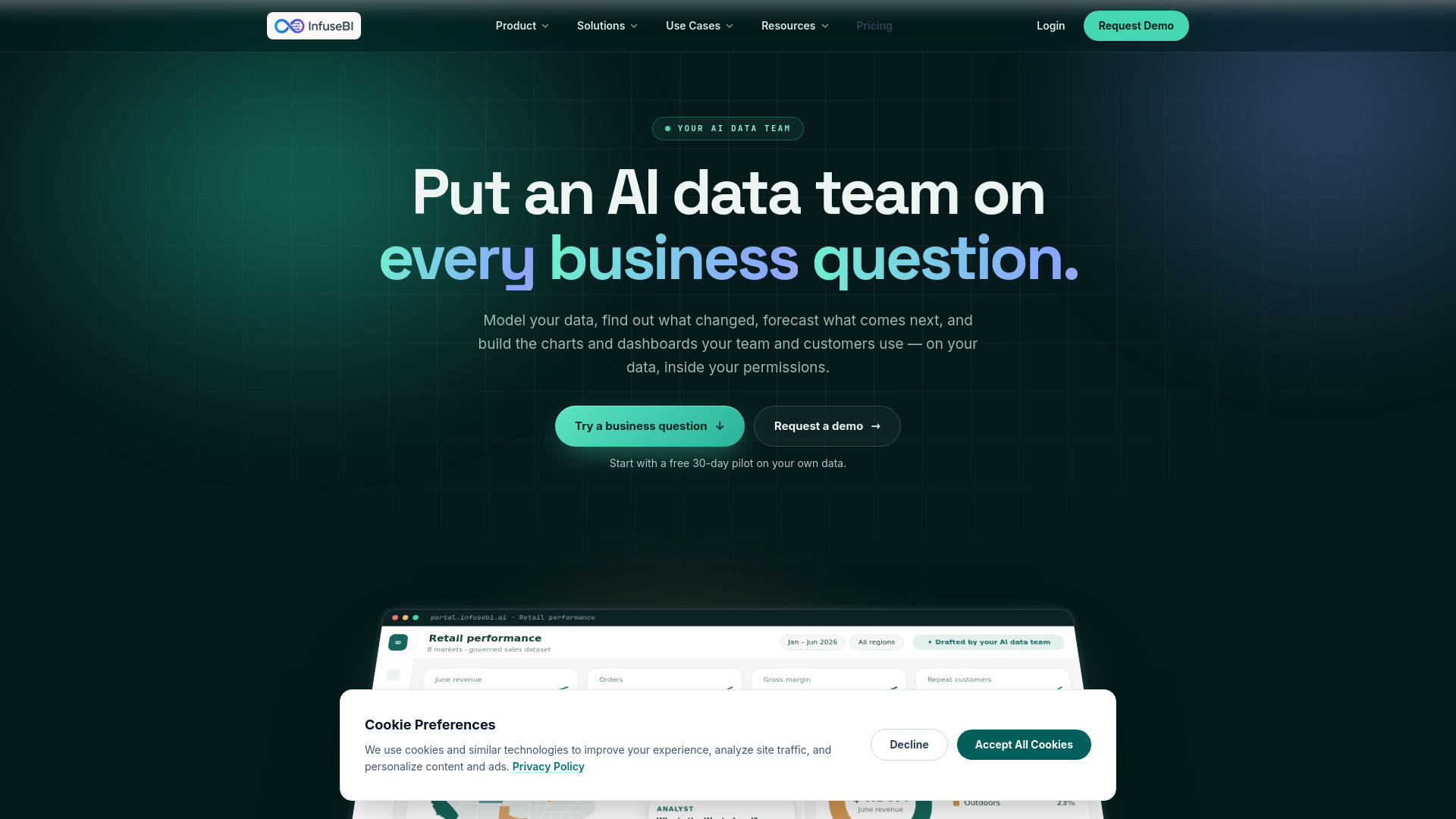
- Governed AI analytics and data modeling
- 15-day free trial
- Starts at Custom quote

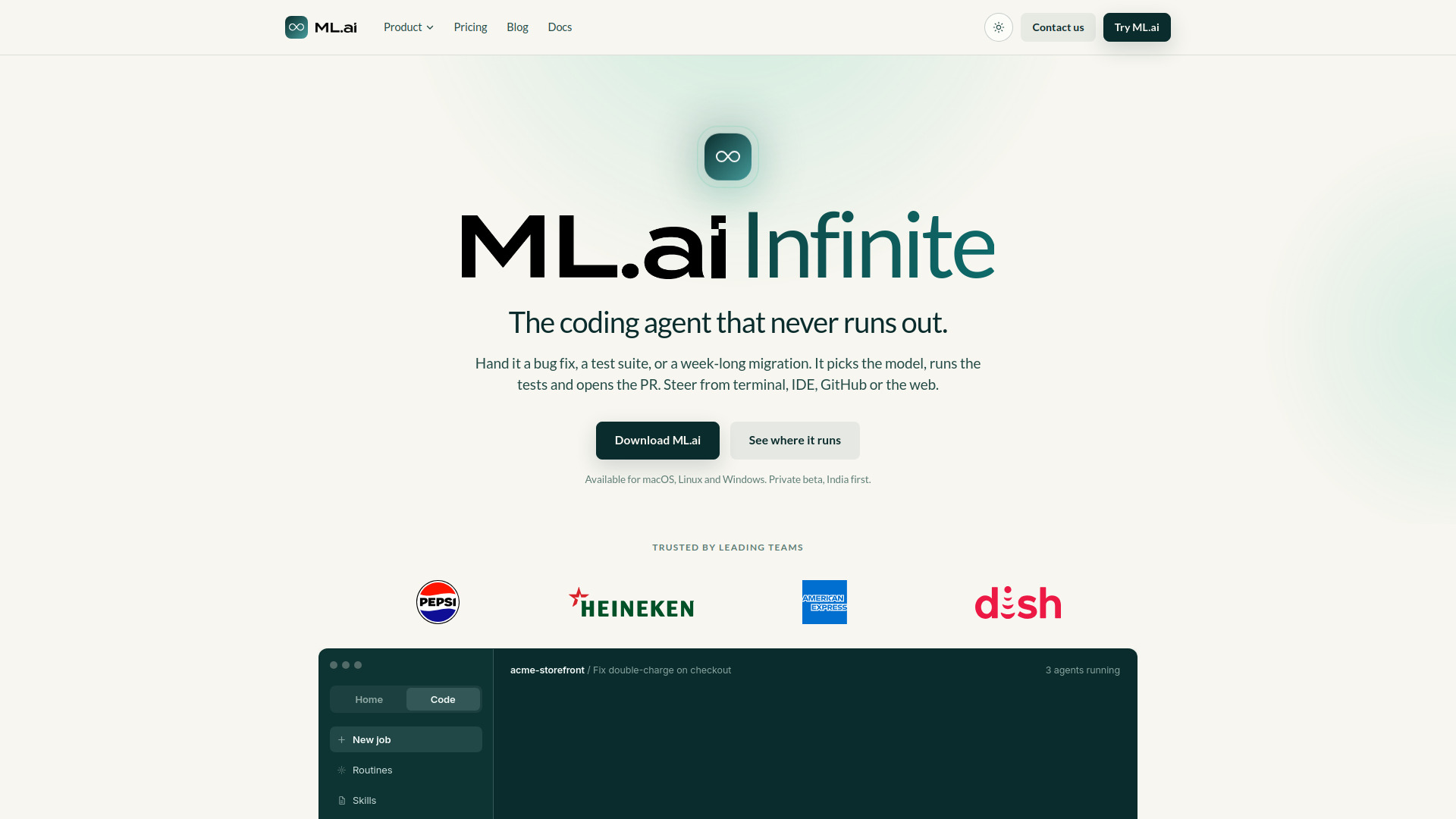
- Long-running software engineering tasks
- Free plan available
- Starts at ₹699/month

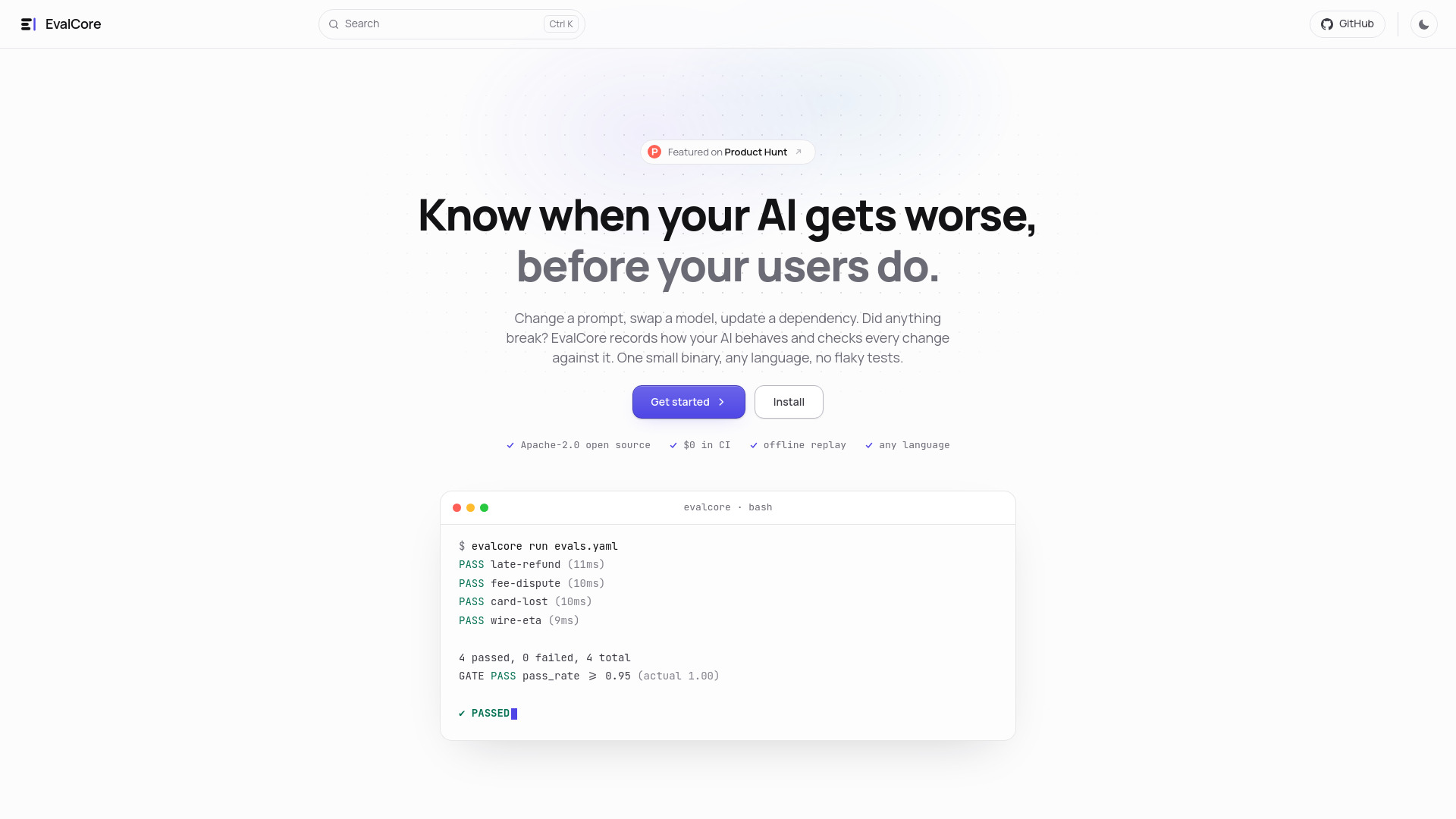
- Regression testing for LLM apps
- Free plan available
- Starts at Free

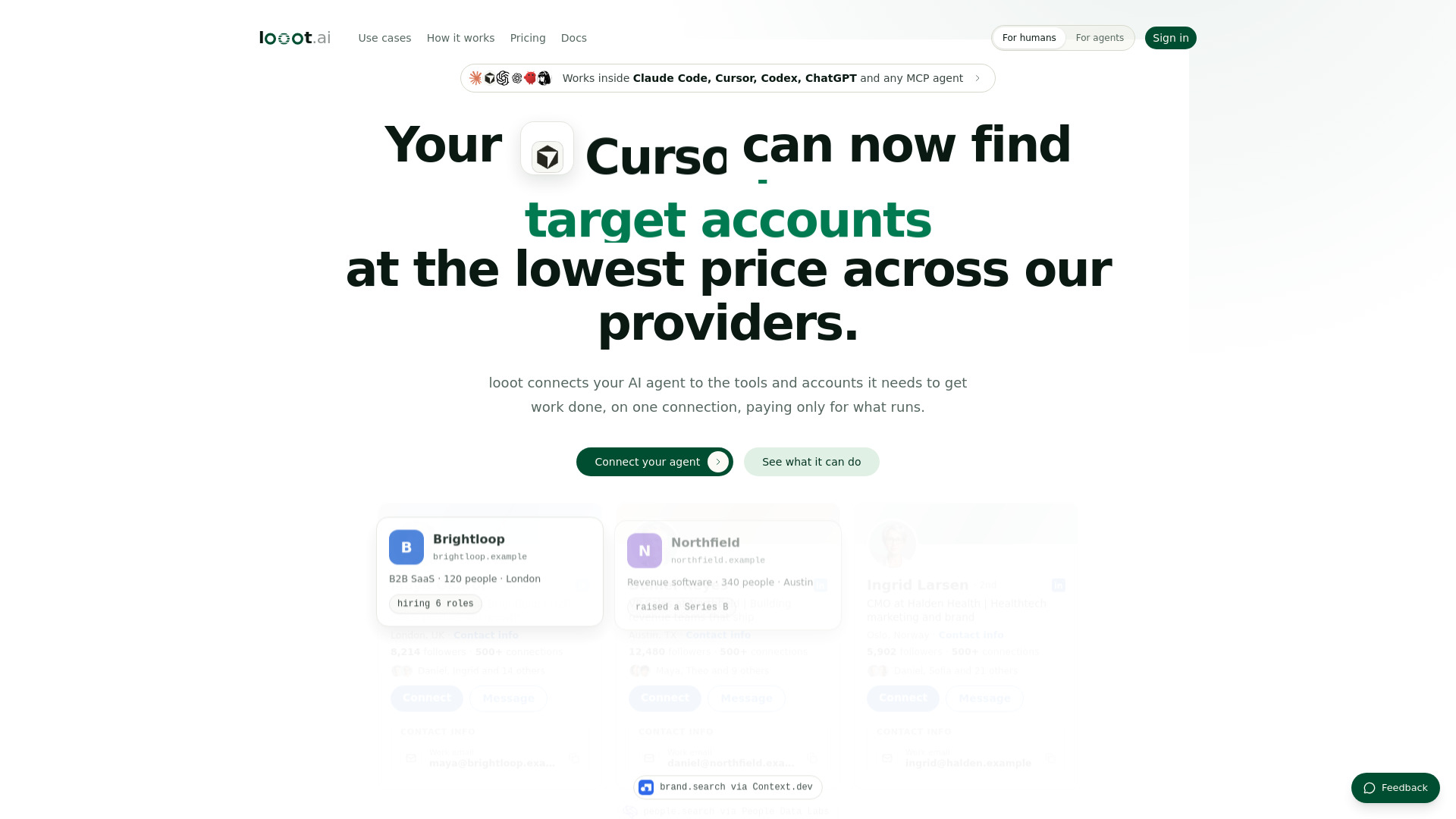
- Agent-ready data provider access
- Starts at From $0.000125 per call

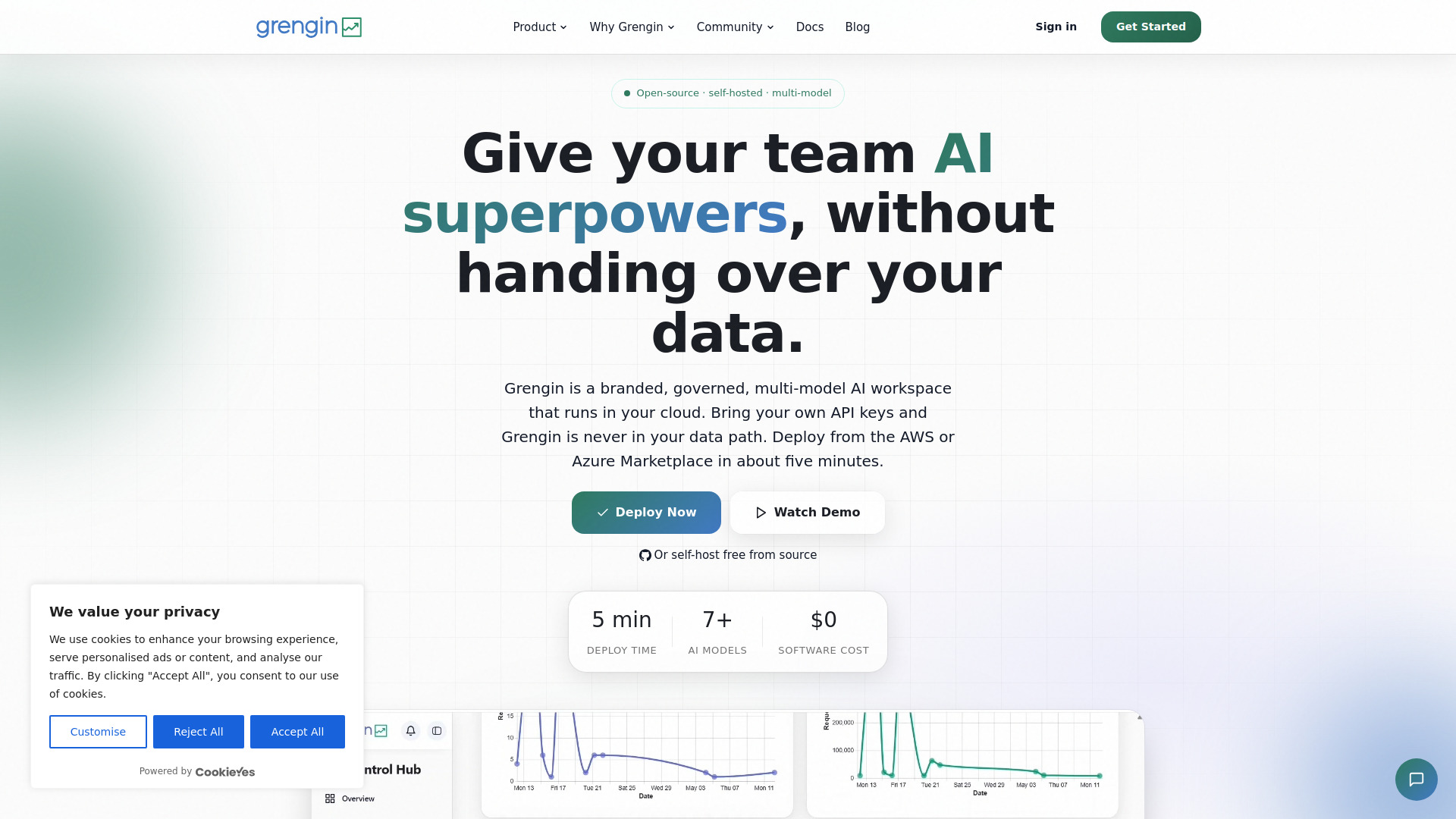
- Teams needing governed, self-hosted AI
- Free plan available
- Starts at $0 for self-hosted software

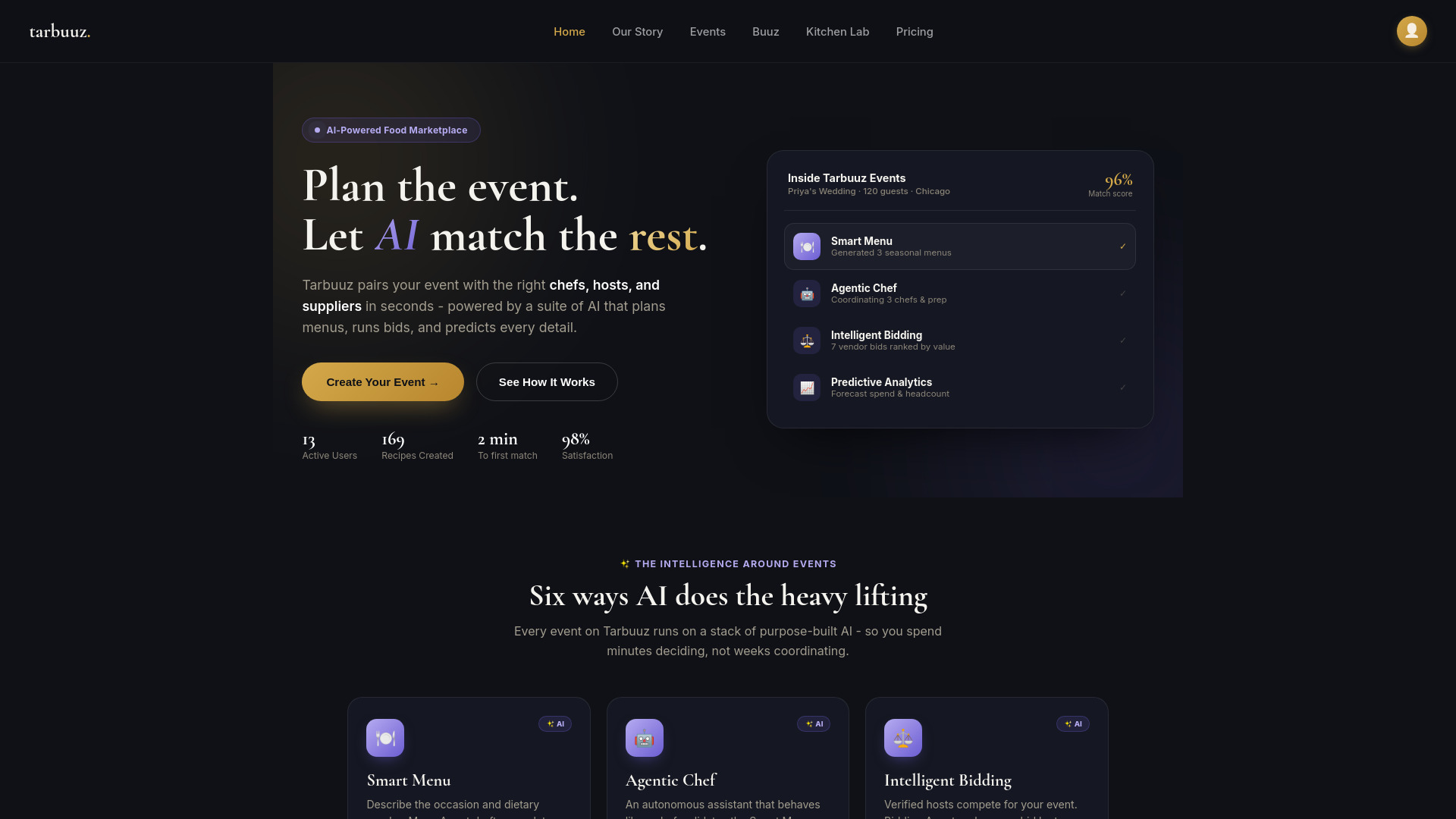
- AI-powered event food planning
- 3 Smart Menu generations/month
- Starts at $0 (Free plan)
Which event intelligence provider should you try first?
Start with Merge when you need broad API connectivity, or AlphaAI when structured financial events are the actual input. Choose FutureSearch for forward-looking forecast features and Abliteration.ai for compatible model access in sensitive research environments. The remaining options are useful adjacent choices: LightVela for always-on agents, Llumo for AI visibility, and FLUX 3 or Edensign for visual workflows.
The right shortlist depends on where your signal originates. Do not select a tool simply because it has the highest traffic or an attractive free tier; select the one whose output can be represented, refreshed, and evaluated inside your ML workflow.
What to test before choosing
Run the same representative inputs through two or three finalists. Measure output structure, latency, quota behavior, confidence or relevance fields, and the effort required to handle failures. For paid products, verify current pricing and whether usage is counted by request, token, model credit, linked account, or another unit.
Also test the handoff into your stack. Confirm that the API, export, or hosted workflow gives you the identifiers and timestamps needed for deduplication and feature freshness. A useful signal that cannot be joined reliably is not useful enrichment.
Common mistakes when choosing event intelligence providers
Confusing model access with event data: An LLM API can enrich text, but it does not automatically provide a durable event stream.
Ignoring schema stability: Scores, forecasts, citations, and model outputs need consistent fields before they can support reliable features.
Treating a free tier as production capacity: Limits such as token credits, daily requests, or linked accounts can change the economics quickly.
Skipping freshness checks: A delayed event may be fine for reporting but unsuitable for a time-sensitive model.
Overlooking integration ownership: A unified API reduces connector work, but your team still owns feature definitions, monitoring, and validation.
Choosing by category label alone: Several tools here are adjacent visual, marketing, or research systems. Their fit depends on the signal you need, not the label on the homepage.
FAQ
They are tools that supply, transform, or interpret events and signals that can become model inputs. In this ranking, that includes structured financial events from AlphaAI, unified API connections from Merge, forecast outputs from FutureSearch, and recurring AI visibility observations from Llumo.